
Personalised Rehabilitation Programmes for Long-Term Recovery
The Athlete Lab, located in Hawthorn, SA, provides personalised rehabilitation programmes to help individuals across Adelaide, SA, recover from injury, regain strength, and restore full function safely and effectively. Our rehabilitation services are designed for people of all ages and activity levels, whether you are recovering from a sports injury, post-surgery, or a work-related strain. Every programme is tailored to your unique needs, ensuring a clear path towards recovery and long-term health.
What Rehabilitation Involves
Rehabilitation is more than just recovering from an injury; it is a structured process that focuses on restoring mobility, strength, and overall function. At The Athlete Lab, our physiotherapists develop a clear, goal-oriented plan that progresses through key stages. This ensures you regain your previous abilities safely while reducing the risk of re-injury.
A typical rehabilitation programme may involve a combination of techniques, including:
- Manual therapy: Targeted hands-on techniques to relieve pain, reduce stiffness, and improve joint mobility.
- Exercise prescription: Specific exercises designed to rebuild strength, flexibility, and endurance.
- Functional training: Activities that replicate daily movements or sport-specific tasks to ensure a smooth return to normal activity.
- Education: Guidance on posture, movement patterns, and lifestyle adjustments to support recovery and prevent future injuries.
The programme is structured to balance challenge and safety. Your progress is monitored closely, and exercises are adjusted as you regain function and strength.
Why a Structured Rehabilitation Programme Matters
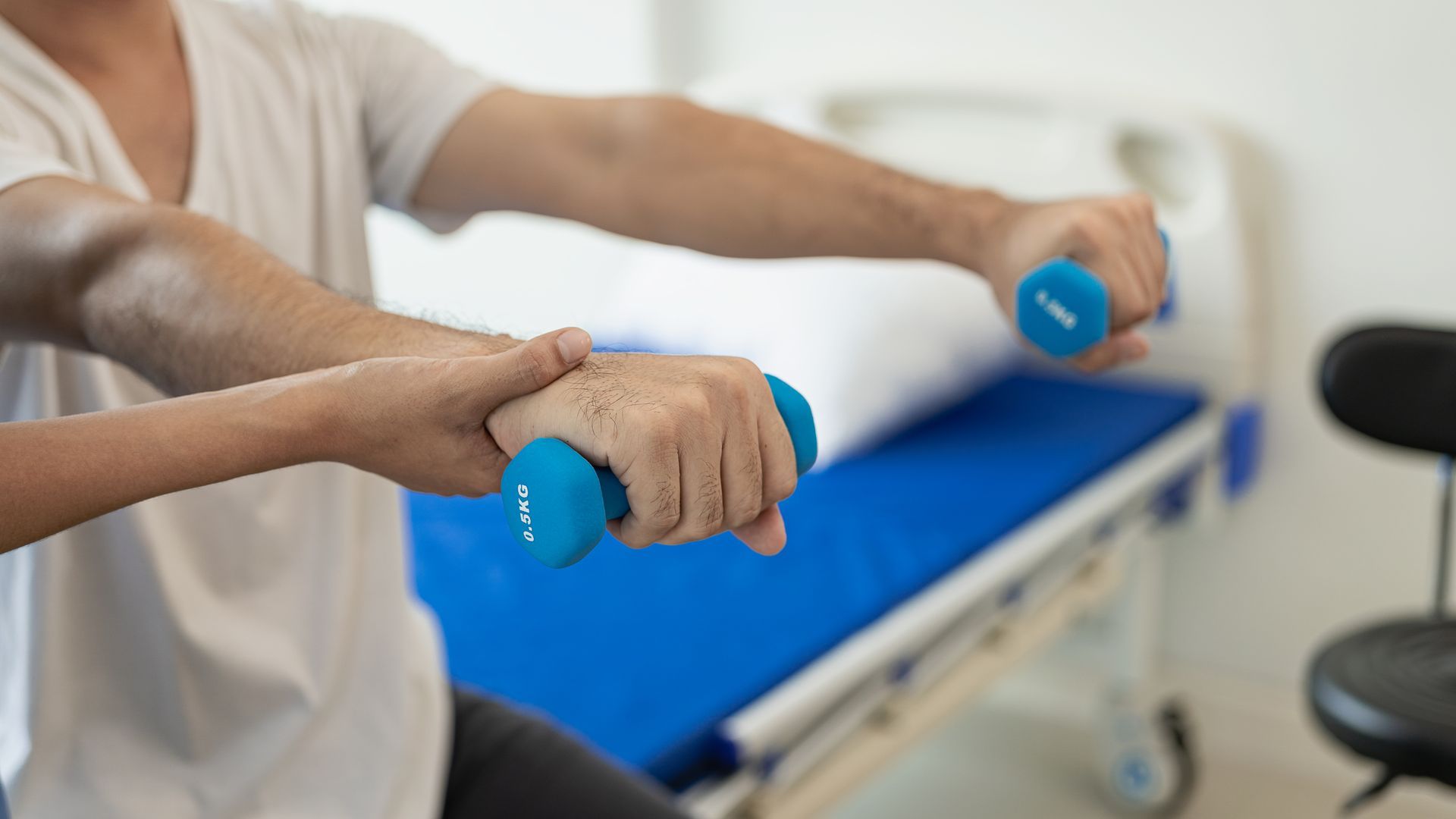
Recovering from an injury without proper guidance can lead to lingering pain, decreased mobility, or re-injury. A structured rehabilitation programme provides a roadmap for recovery, offering measurable goals and consistent progression. It allows your body to adapt to new movement patterns, rebuild strength in affected areas, and restore coordination between muscles and joints.
Our approach ensures that recovery is not just about pain relief but about regaining confidence in your body and returning to your normal activities fully equipped to avoid setbacks.
Rehabilitation Techniques
Manual Therapy for Recovery
Manual therapy can be incorporated into rehabilitation to target pain and restricted movement. Techniques such as joint mobilisation, soft tissue massage, and stretching are used to reduce stiffness, promote healing, and prepare the body for exercise-based rehabilitation.
Exercise-Based Rehabilitation
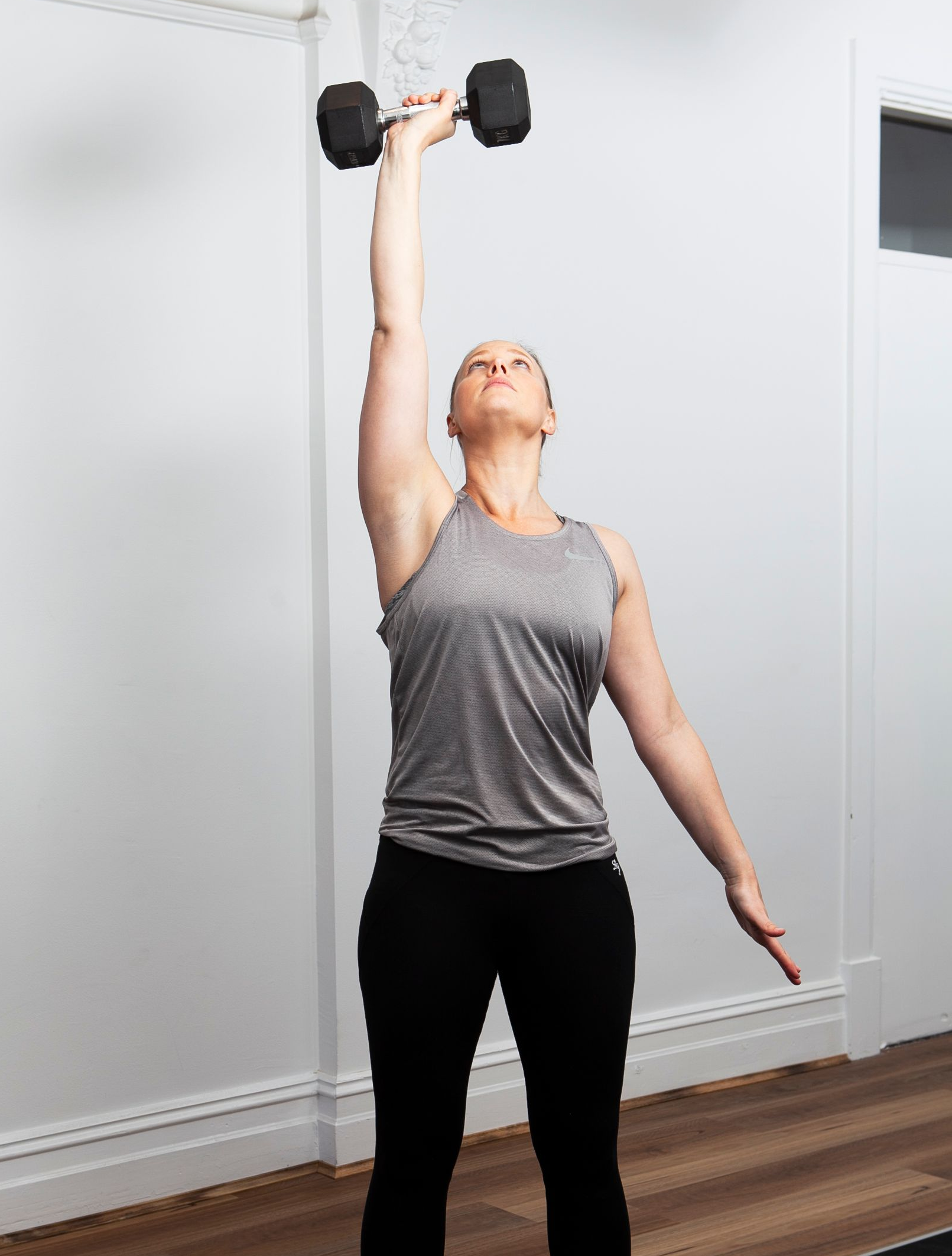
Exercises are tailored to your stage of recovery. Early stages may focus on gentle mobility and activation, while later stages progress to strengthening, endurance, and functional exercises. Each exercise is designed to restore specific abilities affected by your injury.
Functional Movement Training
Rehabilitation is most effective when it translates to real-life activities. Functional movement training helps you perform everyday tasks, sports, or work-related activities with confidence and reduced risk of recurrence.
Progressive Load Management
Gradually increasing the intensity and complexity of exercises ensures that your muscles, tendons, and joints adapt safely. This progressive approach helps rebuild resilience and prevent future injury.
When Rehabilitation Is Recommended
Rehabilitation is highly beneficial for individuals experiencing:
- Recovery after surgery or fracture
- Muscle strains or ligament injuries
- Chronic joint pain or overuse injuries
- Postural imbalances and mobility restrictions
- Sports-related injuries
- Work- or activity-related musculoskeletal injuries
Even if your pain is mild or intermittent, structured rehabilitation can help prevent the development of more serious problems over time.
What to Expect During a Rehabilitation Programme
Your first session begins with a detailed assessment to identify the root causes of your injury or discomfort. Your physiotherapist will evaluate your movement patterns, strength, and joint function to create a personalised plan. Treatment sessions typically involve a combination of hands-on therapy, guided exercises, and education on self-management strategies.
Your progress is continuously monitored. Exercises and goals are adjusted based on your response to treatment, ensuring the programme evolves with your recovery.
Supporting Long-Term Recovery
A successful rehabilitation programme not only addresses immediate symptoms but also equips you with tools to maintain long-term health. This includes:
- Home exercise programmes to reinforce progress
- Advice on posture, ergonomics, and safe movement
- Guidance on activity modification to prevent recurrence
- Strategies to improve overall strength, flexibility, and endurance
By following a structured rehabilitation plan, you can regain full function, reduce the risk of re-injury, and return to your preferred activities with confidence.
Physiotherapy Rehabilitation FAQs
How long does a rehabilitation programme last?
The duration varies depending on the type and severity of the injury, your goals, and progress. Programmes may last from a few weeks to several months.
Is rehabilitation only for serious injuries?
No. Rehabilitation can benefit anyone recovering from minor strains, post-surgery, chronic pain, or overuse injuries. Early intervention often leads to faster recovery.
Will rehabilitation be painful?
Some exercises may feel challenging, but your physiotherapist will tailor the programme to your comfort and abilities. Minor soreness is normal and usually resolves quickly.
Can I continue daily activities during rehabilitation?
Yes. Programmes are designed to help you return to normal activities safely. Your physiotherapist will guide you on what is safe to do at each stage.
Do I need special equipment for rehabilitation?
Most exercises can be performed with minimal equipment. Your physiotherapist will provide alternatives or use clinic resources as needed.
How long does a rehabilitation programme last?
The duration varies depending on the type and severity of the injury, your goals, and progress. Programmes may last from a few weeks to several months.
Is rehabilitation only for serious injuries?
No. Rehabilitation can benefit anyone recovering from minor strains, post-surgery, chronic pain, or overuse injuries. Early intervention often leads to faster recovery.
Will rehabilitation be painful?
Some exercises may feel challenging, but your physiotherapist will tailor the programme to your comfort and abilities. Minor soreness is normal and usually resolves quickly.
Can I continue daily activities during rehabilitation?
Yes. Programmes are designed to help you return to normal activities safely. Your physiotherapist will guide you on what is safe to do at each stage.
Do I need special equipment for rehabilitation?
Most exercises can be performed with minimal equipment. Your physiotherapist will provide alternatives or use clinic resources as needed.
Call The Athlete Lab on (08) 8246 3189 to begin your personalised rehabilitation plan.