
Targeted Dry Needling to Reduce Muscle Tension & Pain
The Athlete Lab, based in Hawthorn, SA, and assisting clients throughout Adelaide, SA, offers dry needling to relieve muscle tension, restore mobility, and support recovery from pain or overuse. Dry needling is a targeted therapeutic technique that is widely used to address musculoskeletal conditions that arise from overuse, stress, poor posture, or injury. While it may appear similar to acupuncture at first glance, dry needling is grounded in Western anatomical science and focuses specifically on treating myofascial trigger points, tight, irritable bands within muscle fibres that often refer pain to other parts of the body.
Understanding the Purpose of Dry Needling
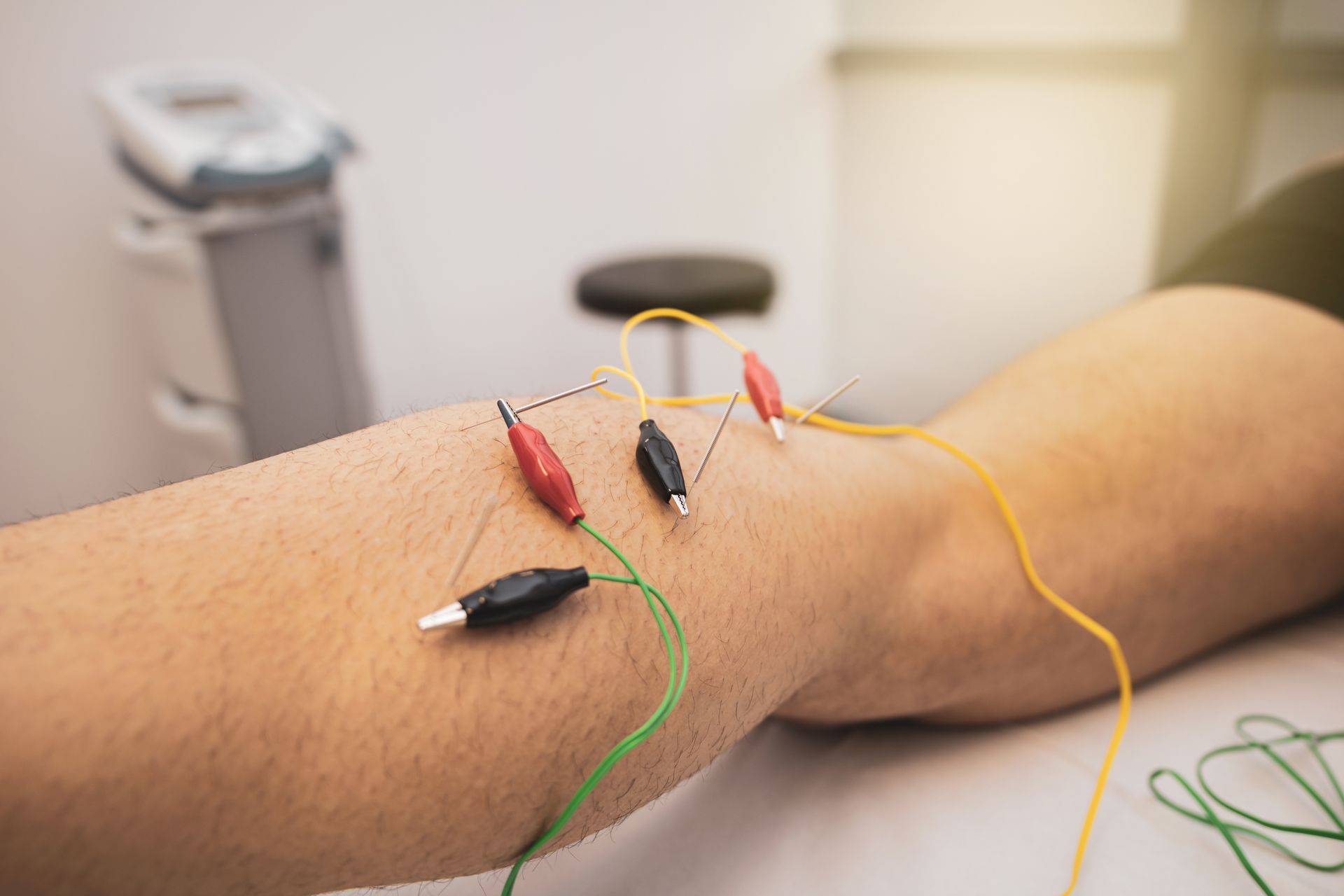
The primary goal of dry needling is to relieve tension within dysfunctional muscle tissue. When trigger points remain irritated, they can restrict mobility, alter muscle activation, and create discomfort that affects daily movement. These points may also refer pain into nearby or distant regions, causing symptoms that seem unrelated to the original source. By inserting fine sterile needles into these areas, dry needling encourages the muscle to relax, lengthen, and reset. This often results in reduced pain, improved movement, and a quicker return to normal function.
How the Technique Works
During a session, the therapist identifies specific trigger points contributing to your symptoms. Ultra-fine needles are then gently inserted into the muscle, stimulating a “local twitch response”, a quick, involuntary contraction that signals a release of tension. Although the twitch sensation is brief, it is one of the most effective aspects of dry needling therapy, helping normalise electrical activity within the muscle, reduce pain signals, and restore better neuromuscular communication.
Dry needling also stimulates increased circulation, helping flush metabolic waste and bring fresh oxygenated blood to the area. This supports tissue repair, reduces the likelihood of ongoing tightness, and allows surrounding muscles to function more efficiently.
Conditions Dry Needling May Help Improve
Dry needling is suitable for a wide range of musculoskeletal concerns, including:
- Tight or overworked muscles caused by repetitive strain
- Postural imbalances in the neck, shoulders, hips, or lower back
- Tension headaches linked to muscular trigger points
- Sports injuries involving overuse or sudden overload
- Pain that persists despite stretching, massage, or traditional strengthening
- Referred pain affecting distant areas of the body
- Stubborn myofascial trigger points that restrict mobility
Because dry needling is so precise, it is particularly effective when discomfort originates from deep muscle tissue that is difficult to treat through manual therapy alone.
What to Expect During Your Appointment
Your therapist begins with a thorough assessment to determine which muscles are contributing to your symptoms. Once the target areas are identified, sterile single-use needles are inserted with care. Most patients describe the sensation as a brief pressure or dull ache, followed by a noticeable release of tension. A twitch response may occur as the muscle relaxes, but this sensation is typically mild and short-lived.
After treatment, some people experience temporary soreness similar to post-exercise discomfort. This typically settles within 24–48 hours and is a normal part of the body’s healing response. Gentle movement, hydration, and the application of heat can help ease any residual tightness.
Why Dry Needling Works Best With Physiotherapy
Dry needling offers excellent short-term relief, but its long-term benefits are strongest when combined with personalised physiotherapy treatment. By reducing pain and releasing tight muscle bands, dry needling creates an ideal foundation for corrective exercises, mobility retraining, and functional strengthening. The treatment opens the door for improved movement patterns, helping prevent future recurrence and addressing the deeper cause of your symptoms rather than just the surface-level tension.
Dry needling is therefore commonly incorporated into a broader physiotherapy plan that may include manual therapy, rehabilitation exercises, load management strategies, and education.
Safety & Professional Care
Dry needling is conducted only by trained practitioners who have a solid understanding of anatomy, technique, and appropriate safety measures. Every needle is sterile and single-use, and treatment is tailored to each patient’s comfort level. If you have concerns about needles, your therapist will explain the process, answer your questions, and modify the technique as needed to ensure the experience remains comfortable and effective.
Supporting Your Recovery After Treatment
To maximise the benefits of dry needling, your therapist may advise light movement, gentle stretching, increased hydration, or heat application following your appointment. These steps help reinforce the release achieved during treatment and allow your muscles to adjust to their improved function. Maintaining good posture, following prescribed exercises, and staying active can further support long-term improvements.
Dry Needling FAQs
What does dry needling feel like?
Most people feel a quick, mild sensation when the needle enters the skin. If the muscle responds with a twitch, it may feel like a brief cramp, but the sensation typically fades quickly.
Is dry needling safe?
Yes. Dry needling is performed by trained practitioners using sterile, single-use needles. Your therapist will assess your suitability and ensure the technique is appropriate for your condition.
How many sessions will I need?
The number of sessions varies depending on the severity of your symptoms, how long your trigger points have been active, and your overall treatment goals. Many patients notice improvement within one to three sessions.
Can I exercise after dry needling?
Light movement is encouraged, as it helps reinforce muscle relaxation. High-intensity activity may be best avoided immediately after treatment if the area feels tender.
Is dry needling the same as acupuncture?
Although similar needles are used, the two treatments differ in purpose, theory, and application. Dry needling is based on Western anatomy and targets specific muscular trigger points.
What does dry needling feel like?
Most people feel a quick, mild sensation when the needle enters the skin. If the muscle responds with a twitch, it may feel like a brief cramp, but the sensation typically fades quickly.
Is dry needling safe?
Yes. Dry needling is performed by trained practitioners using sterile, single-use needles. Your therapist will assess your suitability and ensure the technique is appropriate for your condition.
How many sessions will I need?
The number of sessions varies depending on the severity of your symptoms, how long your trigger points have been active, and your overall treatment goals. Many patients notice improvement within one to three sessions.
Can I exercise after dry needling?
Light movement is encouraged, as it helps reinforce muscle relaxation. High-intensity activity may be best avoided immediately after treatment if the area feels tender.
Is dry needling the same as acupuncture?
Although similar needles are used, the two treatments differ in purpose, theory, and application. Dry needling is based on Western anatomy and targets specific muscular trigger points.
Call (08) 8246 3189 to book a dry needling appointment at The Athlete Lab.