
Cupping Therapy Techniques to Restore Soft Tissue Function
Cupping therapy at
The Athlete Lab in Hawthorn, SA, is a gentle yet highly effective technique used to ease muscle tension, improve circulation, and support recovery from discomfort, stress, and physical strain that clients across Adelaide, SA, might be experiencing. It has become increasingly popular among individuals seeking relief from tightness, stress, and lingering discomfort linked to daily activities, sport, and repetitive strain. While cupping has been practised for centuries, modern physiotherapy integrates it with a contemporary understanding of anatomy, making it a highly adaptable treatment option for a broad range of musculoskeletal needs.
How Cupping Therapy Works
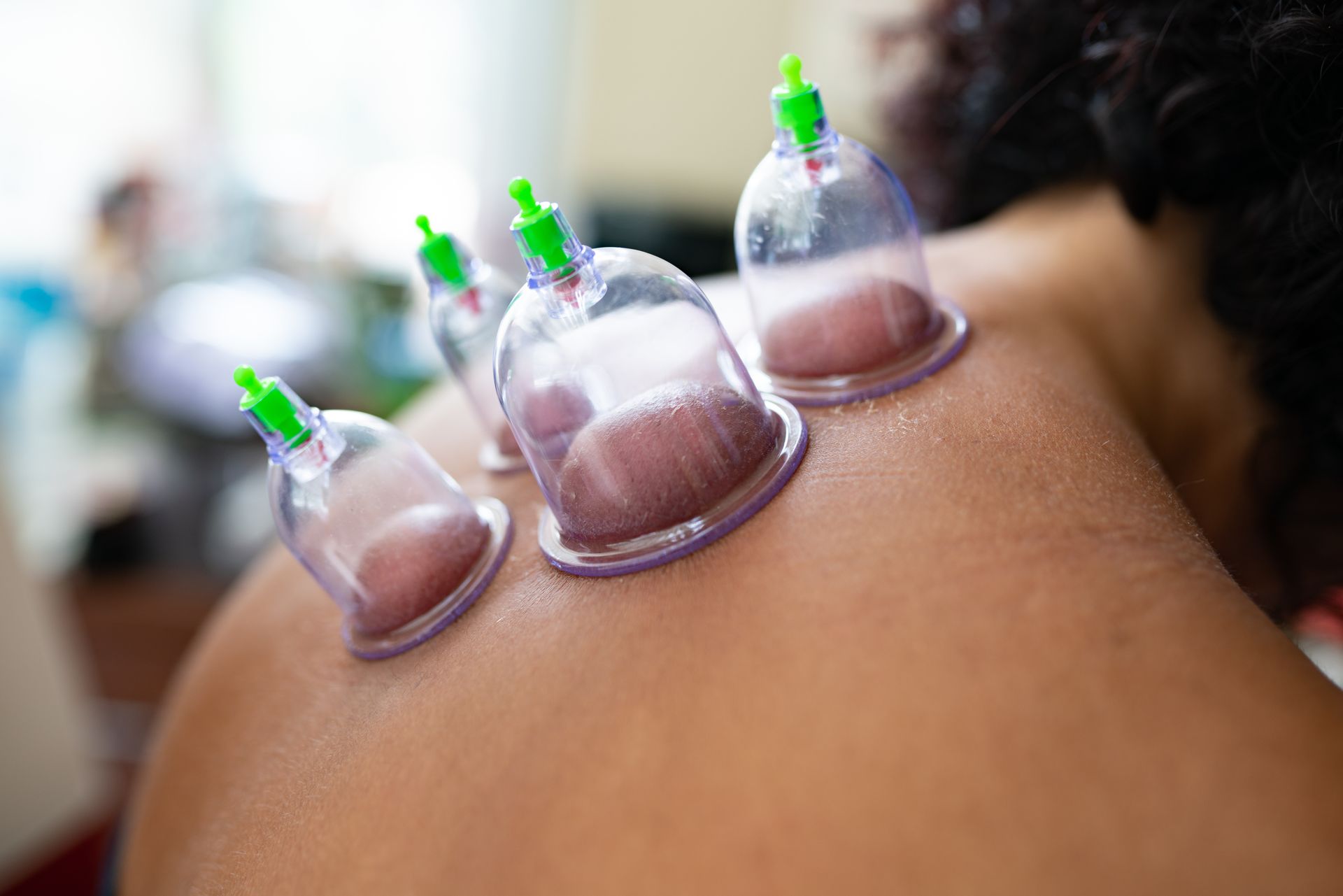
Cupping involves placing specialised cups on the skin to create a controlled suction effect. This negative pressure gently lifts the underlying tissue, helping to reduce tightness, encourage blood flow, and stimulate the movement of lymph and metabolic waste. Unlike manual therapy techniques that compress the muscles, cupping works in the opposite direction, creating space within the tissues and allowing them to move more freely.
The suction created by the cup can be adjusted to suit your comfort level and therapeutic goals. Some techniques involve leaving the cups in place for a short period, while others may involve moving the cups along the muscle to create a gliding effect. Both approaches support improved mobility, reduced tension, and a heightened sense of relaxation.
Benefits of Cupping Therapy
Cupping therapy may assist with a wide range of physical concerns. Some of the most common benefits include:
- Reduced muscle tension and stiffness
- Improved blood circulation to sore or fatigued areas
- Relief from stress-related tightness
- Enhanced recovery after physical activity
- Support for chronic pain conditions
- Greater joint mobility and movement comfort
- A deep sense of physical and mental relaxation
Because cupping lifts the tissue rather than compressing it, the therapy can be especially useful when muscles feel sensitive to pressure, fatigued, or difficult to treat with hands-on techniques alone.
Understanding the Cupping Marks
One of the most recognisable features of cupping is the temporary circular marks that may appear on the skin. These marks are not bruises but rather a result of increased circulation to the area. Their colour and intensity can vary depending on the amount of tension present within the muscle. Most marks fade within a few days and do not cause lingering pain. Your therapist will discuss what to expect and adjust the technique if you prefer minimal marking.
Cupping Therapy in Modern Physiotherapy
Although cupping has historical roots, its integration into physiotherapy is based on modern assessment and treatment principles. Today, therapists use cupping as a complement to other techniques such as manual therapy, stretching, and exercise prescription. The aim is to restore healthy tissue function, improve movement quality, and reduce the strain on areas that may be compensating due to tightness or imbalance.
Because cupping helps free restricted tissues, it often enhances the effectiveness of your rehabilitation exercises. Many people find that after a session, their muscles feel more responsive, allowing them to move through exercises with improved control and less discomfort.
What to Expect During a Session
Your session begins with a detailed assessment to understand where tension, restriction, or pain may be originating from. Once this has been established, your therapist applies cups to targeted areas. You may feel a gentle pulling sensation as the suction begins, followed by a sense of lightness as the tissue lifts.
Cups may remain still for several minutes or be moved across the skin to create dynamic release. The sensation should always feel comfortable, and your therapist will adjust the pressure as needed. Most people finish their session feeling relaxed, looser, and noticeably freer in their movement.
When Cupping May Be Helpful
Cupping therapy may be suitable if you experience:
- Stiffness from long periods of sitting or repetitive tasks
- Post-training muscle fatigue
- Pain stemming from tight fascia or connective tissue
- Stress-related tension, especially in the shoulders or back
- Limited flexibility due to muscle tightness
- Discomfort associated with overuse injuries
It may also be beneficial as part of a long-term management plan for chronic muscular discomfort or recurring tightness.
After Your Treatment
Following your cupping session, you may feel lightness or warmth in the treated areas as circulation increases. Mild soreness is possible but typically short-lived. Your therapist may recommend gentle movement, hydration, or heat to enhance the benefits of the session. Regular cupping, when incorporated into a broader treatment plan, can contribute to improved muscle function and long-term comfort.
Frequently Asked Questions About Cupping Therapy
Does cupping therapy hurt?
Cupping should feel comfortable and controlled. You may experience a gentle pulling sensation, but it should not be painful. Pressure can always be adjusted to suit your comfort level.
How long do cupping marks last?
Marks are generally temporary and fade within several days. They are not bruises but natural responses to increased circulation in the treated area.
Is cupping suitable for everyone?
While cupping is safe for most people, your therapist will assess your medical history and current condition to ensure the technique is appropriate for you.
Can I return to exercise after cupping?
Light activity is fine, but high-intensity exercise may be best avoided immediately after treatment, especially if cupping marks are present or the area feels tender.
How many sessions will I need?
This varies depending on your goals, the severity of your muscle tension, and whether cupping is part of a broader rehabilitation programme. Many people notice improvement after one or two sessions.
Does cupping therapy hurt?
Cupping should feel comfortable and controlled. You may experience a gentle pulling sensation, but it should not be painful. Pressure can always be adjusted to suit your comfort level.
How long do cupping marks last?
Marks are generally temporary and fade within several days. They are not bruises but natural responses to increased circulation in the treated area.
Is cupping suitable for everyone?
While cupping is safe for most people, your therapist will assess your medical history and current condition to ensure the technique is appropriate for you.
Can I return to exercise after cupping?
Light activity is fine, but high-intensity exercise may be best avoided immediately after treatment, especially if cupping marks are present or the area feels tender.
How many sessions will I need?
This varies depending on your goals, the severity of your muscle tension, and whether cupping is part of a broader rehabilitation programme. Many people notice improvement after one or two sessions.
Contact The Athlete Lab on (08) 8246 3189 to schedule your next cupping therapy session.