
Telehealth Physiotherapy: Convenient, Expert Care from Home
Understanding Knee Osteoarthritis
What is a Forceplate?
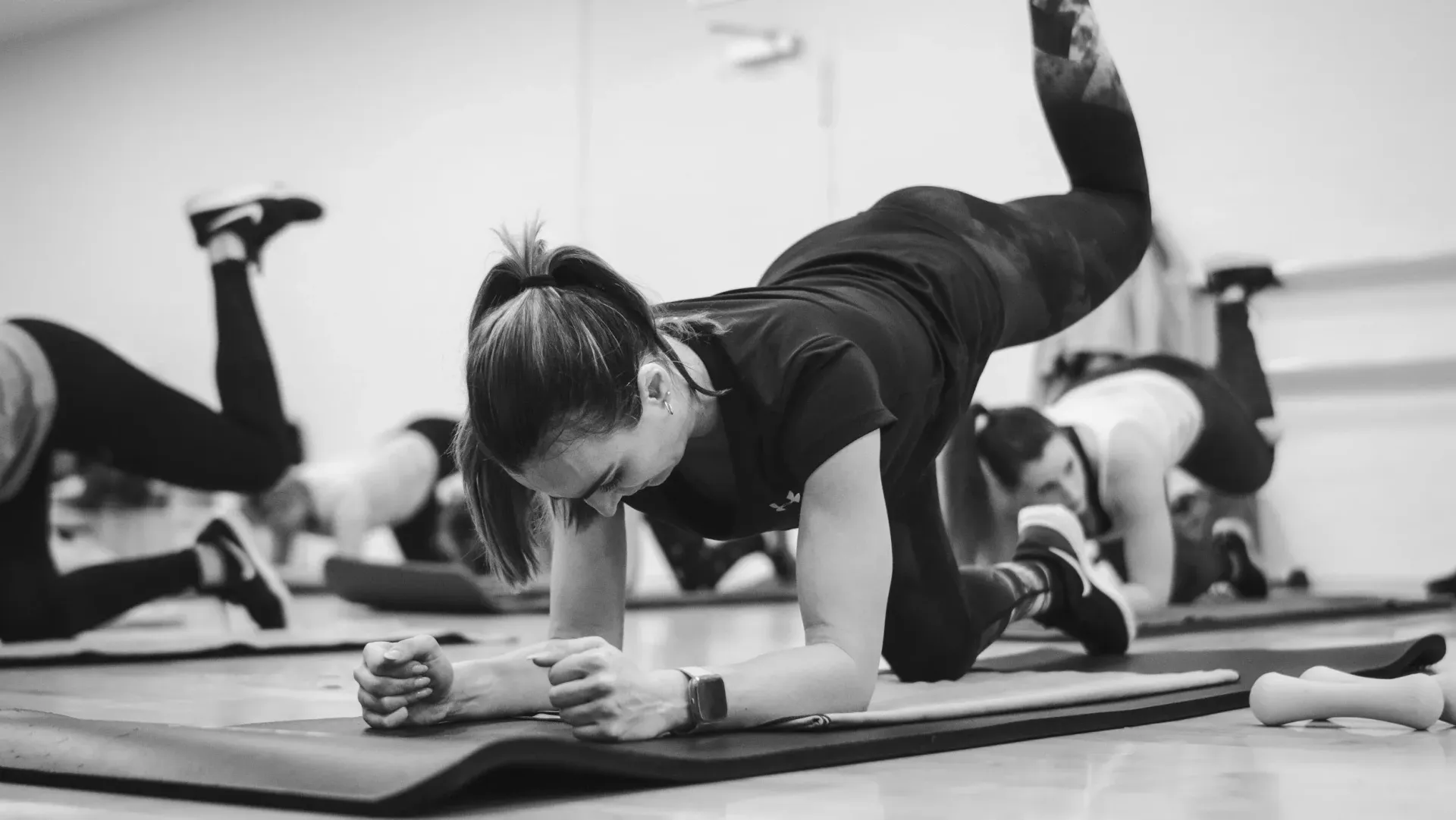
What Is Mat Pilates?

Many people spend hours sitting at a desk, which can lead to discomfort and long-term issues such as back pain, neck strain, and poor circulation. An ergonomic workspace setup ensures that your body is supported correctly to minimize strain. Key factors include adjusting your chair height, keeping your screen at eye level, and using a supportive chair that promotes proper spinal alignment. Frequent breaks are also essential for preventing stiffness and fatigue. Every 30–60 minutes, take a moment to stand, stretch, and move around. Simple desk exercises like shoulder rolls, neck stretches, and seated spinal twists can make a significant difference. Investing in ergonomic tools like a standing desk or wrist support can further enhance comfort and reduce the risk of repetitive strain injuries. Beyond workstation setup, movement throughout the day is crucial. Prolonged sitting reduces circulation and weakens muscles over time. Consider walking meetings, stretching while on phone calls, or using a stability ball for short periods to engage core muscles. Small daily habits can make a big impact on long-term spinal health.

Stress and mental health play a significant role in physical well-being. When you're stressed, your body releases hormones like cortisol, which can lead to muscle tension, headaches, and increased sensitivity to pain. Chronic stress can also slow down healing, making it harder to recover from injuries. Mindfulness, deep breathing, and gentle movement such as yoga can help manage stress-related pain. Regular exercise releases endorphins, which improve mood and reduce pain perception. By addressing both physical and mental health, you can break the cycle of stress-related discomfort and improve overall wellness. Another key factor in reducing stress-related pain is proper breathing technique. Many people hold tension in their shoulders and chest, leading to shallow breathing. Practicing diaphragmatic breathing—breathing deeply into the belly—can help relax muscles and reduce overall tension in the body.
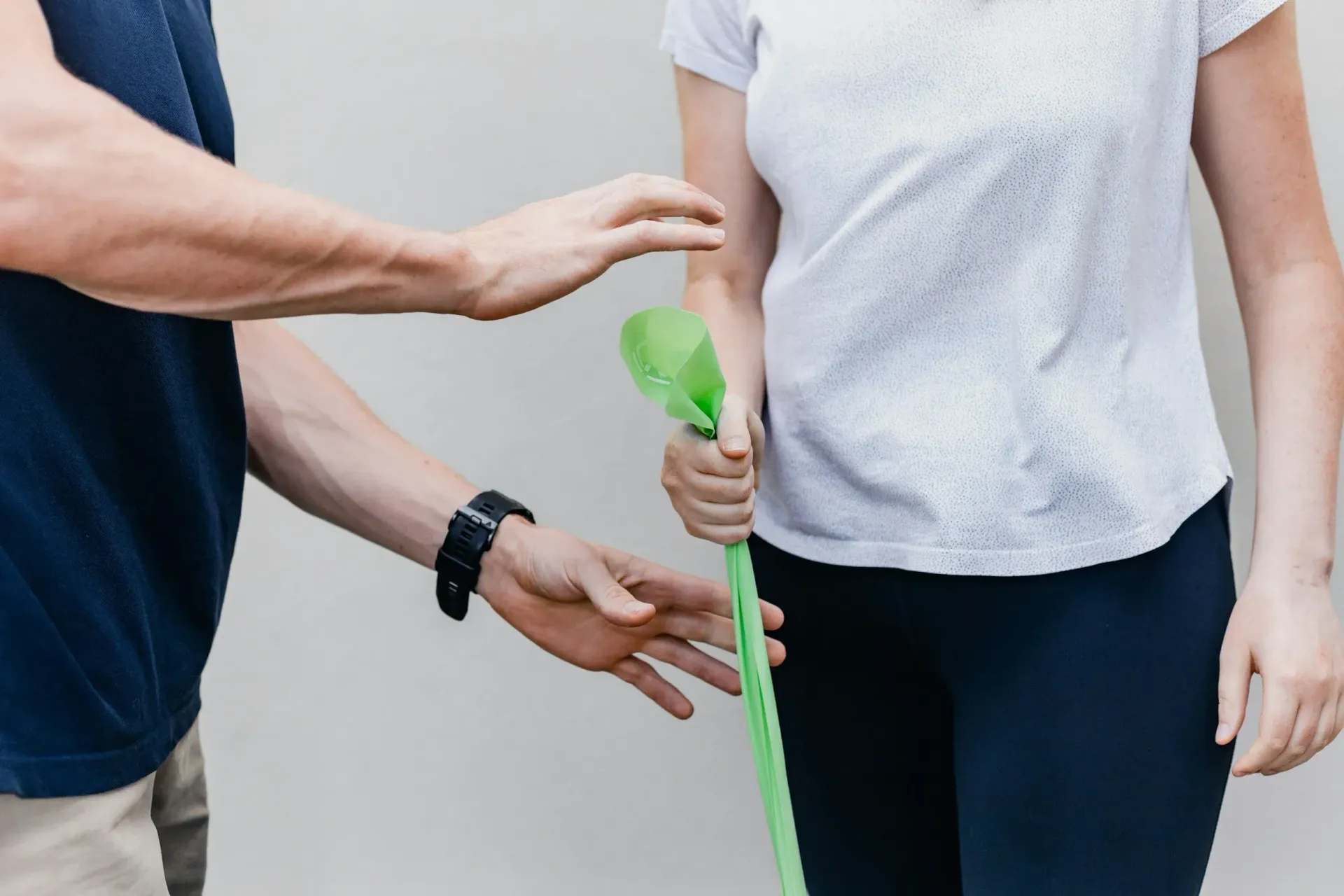
A frozen shoulder, or adhesive capsulitis, can be incredibly frustrating. It causes stiffness, pain, and a limited range of motion in your shoulder, making even simple tasks like reaching or lifting painful. The good news? Physiotherapy can make a huge difference in helping you recover and get your shoulder back to normal. In this post, we’ll look at how physiotherapy can help with frozen shoulder, the techniques used, and why it's such an important part of recovery. What Exactly is Frozen Shoulder? Frozen shoulder happens when the capsule around your shoulder joint thickens and tightens up. This makes the shoulder stiff and painful, severely limiting how much you can move it. The condition typically goes through three stages: **Freezing Stage** : Pain increases, and your range of motion starts to shrink. **Frozen Stage**: The pain might ease up, but stiffness takes over, making movement even harder. **Thawing Stage** : Gradual recovery starts, and your shoulder starts to loosen up. Frozen shoulder can be triggered by things like an injury, surgery, or even conditions like diabetes. But the good news is that physiotherapy can help you recover, no matter where you are in the process. How Physiotherapy Helps with a Frozen Shoulder Physiotherapists focus on easing pain, improving movement, and helping you get back to doing the things you love. Here's how they do it: 1. Managing Pain Pain can be one of the most challenging parts of frozen shoulder, especially in the early stages. Physiotherapists use different techniques to help ease that pain: Manual Therapy: This includes hands-on techniques like gentle joint mobilizations, which can reduce stiffness and help with pain relief. Heat and Cold Therapy: Using hot packs or cold compresses can help with inflammation and provide some much-needed pain relief. TENS Therapy: This involves using a small device that sends electrical pulses to the skin, helping block pain signals and promote natural pain relief. 2. Restoring Movement The loss of shoulder movement is one of the most frustrating parts of frozen shoulder. Physiotherapists use targeted techniques to improve your range of motion: Stretching and Joint Mobilization: Physiotherapists will guide you through stretches and mobilizations to gently improve flexibility and start restoring movement. Gentle Joint Manipulation: In more advanced cases, physiotherapists might use more specific techniques to loosen the shoulder joint and encourage better movement. With regular therapy, you’ll notice gradual improvements in the ability to move your shoulder and get back to normal activities. 3. Strengthening the Shoulder Once the pain starts to ease and your shoulder is moving better, physiotherapy will shift to strengthening the muscles around the shoulder joint. This is important for both recovery and preventing the shoulder from getting stiff again. Physiotherapists might use: Rotator Cuff Strengthening: The rotator cuff muscles are key to shoulder stability. Physiotherapists will work with you on exercises to strengthen these muscles, which can include resistance bands or light weights. Scapular (Shoulder Blade) Exercises Strengthening the muscles around your shoulder blade helps stabilize the shoulder joint and can prevent future issues. 4. Education and Prevention A big part of physiotherapy is teaching you how to care for your shoulder moving forward. Physiotherapists will give you advice on things like posture, body mechanics, and how to avoid movements that could make your shoulder worse. They may also give you a set of exercises to do at home to keep your shoulder strong and mobile long after therapy ends. Why Physiotherapy is So Effective for Frozen Shoulder Non-invasive: Physiotherapy is a natural treatment that doesn’t require surgery or injections, making it a great option for many people. Helps Prevent Long-term Issues: Addressing pain and stiffness early on can help prevent permanent loss of mobility, so you can avoid the long-term effects of a frozen shoulder. Faster Recovery: With physiotherapy, recovery tends to be quicker because it targets the root cause of the stiffness and pain. Personalized Plans: Physiotherapists create treatment plans tailored to your specific needs, goals, and the severity of your condition. When Should You Start Physiotherapy? The earlier you seek physiotherapy, the better. If you notice shoulder pain or limited movement, it’s a good idea to consult a physiotherapist as soon as possible. Early treatment can help ease pain, prevent stiffness from worsening, and speed up your recovery. Frozen shoulder can be a painful and frustrating condition, but physiotherapy is one of the best ways to recover. Whether it's through pain management, improving movement, strengthening muscles, or teaching you how to prevent further issues, physiotherapists play a huge role in helping you get back to your regular activities. If you’re dealing with frozen shoulder, don’t wait to seek treatment — start physiotherapy and get on the road to recovery today!
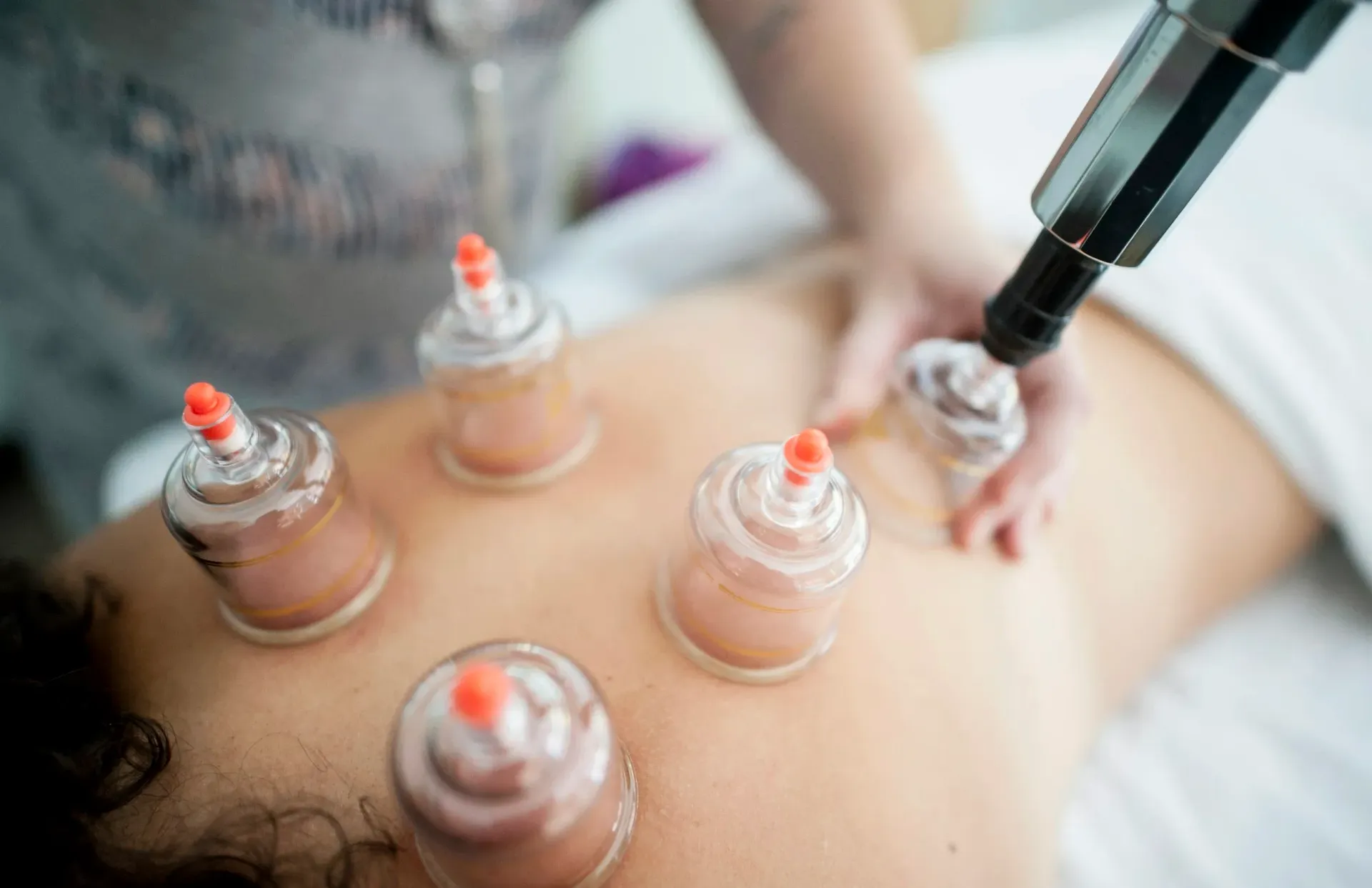
Understanding Cupping Therapy
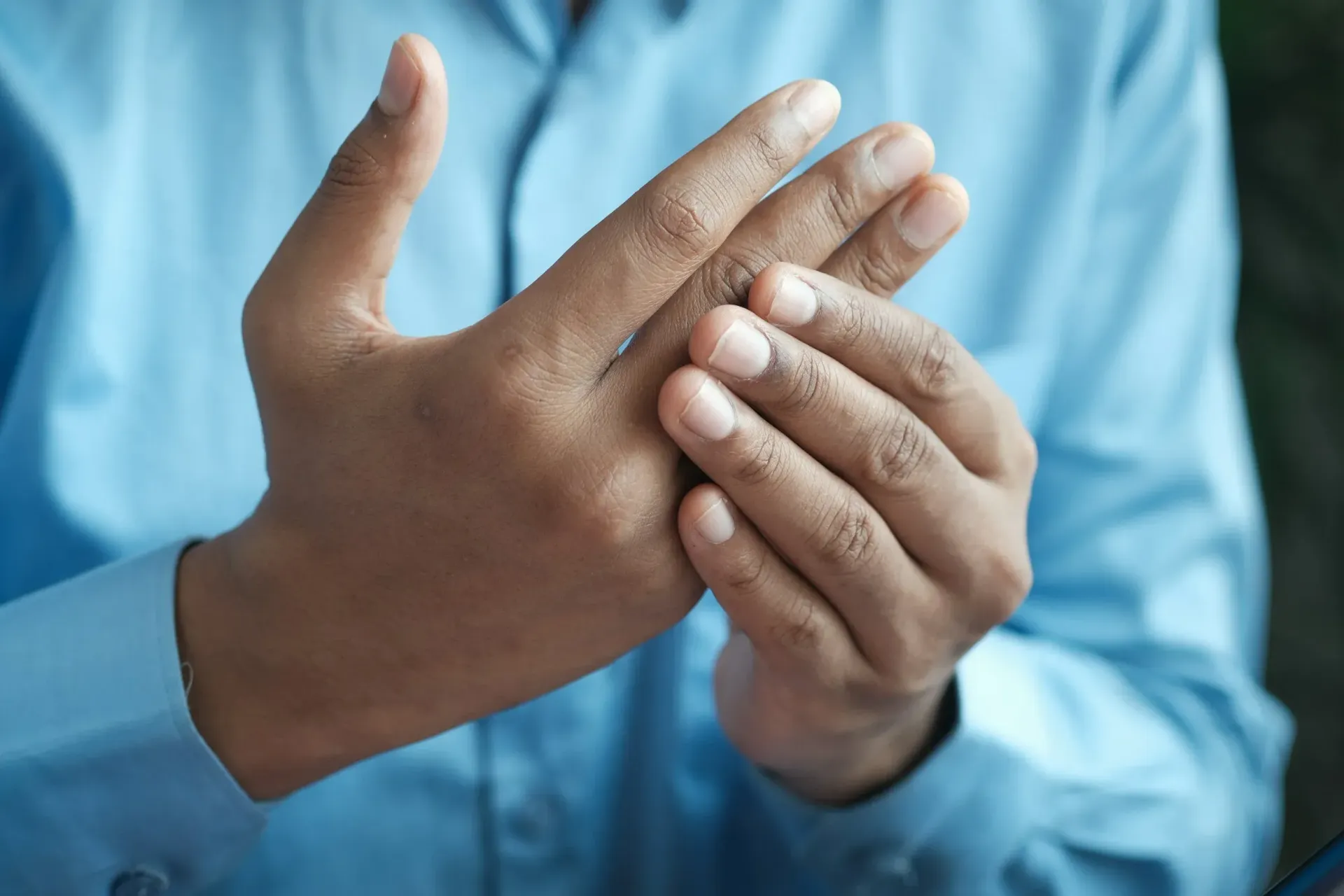
A common question we get asked as physios is whether joints making popping, cracking or crunching noises is a normal thing? It can be a bit unnerving, but before you start worrying about your joints, Paris dives into what's really going on. First things first – those noises your joints make? It's called crepitus, and it's often nothing to worry about. You might hear it when you climb stairs, lift your arms above your head or just move around. Lots of people experience crepitus, and it's usually harmless. What's Making the Sound? So why exactly are your joints making these noises? One reason is that there are tiny gas bubbles in the fluid inside your joints. When you move, these bubbles can collapse, making a popping sound. It's kind of like when you open a can of soda – those little bubbles make a fizzing noise. However, sometimes the noise can indicate other things like tendons or ligaments moving over bony structures, which can create a snapping or popping sensation. Crack, Clunk, Grate: Deciphering the Sounds For some joints, such as knees, not all noises are the same. Sometimes it's a crack, sometimes it's more of a clunk, and sometimes it's a fine grating sound. But here's the thing – most of the time, these sounds aren't a sign that something's wrong. They're the result of complex interactions between joint structures during movement. However, if you experience accompanying symptoms like pain, swelling, or stiffness, it's a good idea to seek medical advice to rule out any potential issues. Age and Noise You might have heard that these noises are a sign of aging joints, and for some people, that's true. As we get older, our joints can undergo changes that lead to increased crepitus. However, not everyone experiences this, and some individuals may have relatively quiet joints throughout their lives. So, if your knees are crackling a bit, it might mean they're maintaining their flexibility, or it could simply be a natural part of the aging process. Either way, it's usually nothing to worry about! When to Get Checked Out Of course, there are times when noises could be a sign of something more serious. If you remember a specific mechanism of injury or are experiencing pain, swelling, or stiffness in the joint, it's a good idea to get it checked out by a physiotherapist or doctor. These symptoms could indicate a more serious issue that requires attention. However, if it's just the noise without any accompanying discomfort, chances are everything's okay. So, the next time one of your joints make a weird noise, don't panic. It's probably just your joints being their usual noisy selves. And remember, if you ever have any concerns, it's always a good idea to get them checked out. But for now, embrace the crackles and pops – they're just a part of what makes your body unique!
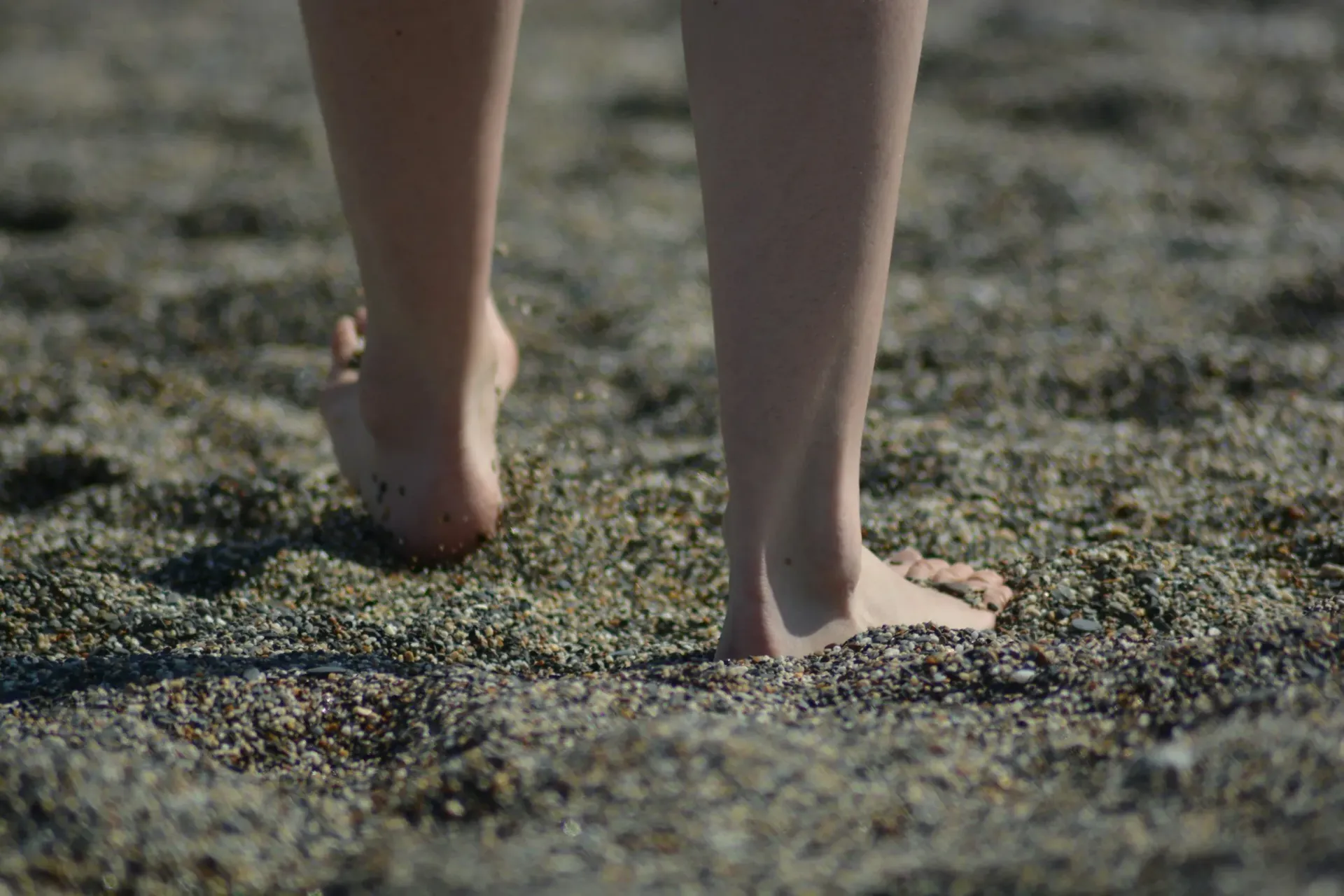
Plantar fasciitis - it's that sharp discomfort in your heel or along the sole of your foot that greets you every morning when you take those first few steps out of bed. Whether you're a dedicated runner, a busy parent on your feet all day, or simply someone who enjoys long walks, plantar fasciitis can put a damper on your daily activities. Understanding this condition and knowing how to manage it effectively can make all the difference. What Exactly is Plantar Fasciitis? There's a thick band of tissue running along the bottom of your foot that connects the bone of your heel to your toes. That's your plantar fascia. Its job is to support your foot arch and absorb forces when you walk, run, or jump. But when you overdo it – too much running, standing, or wearing unsupportive shoes – that band of tissue can become inflamed and irritated, resulting in plantar fasciitis. Why Does It Happen? It can happen to anyone, but certain factors can increase your risk, such as overuse or repetitive strain (hello, weekend warriors!), foot biomechanical issues like flat feet or high arches, and poor footwear choices. Recognising the Symptoms So, how do you know if you're dealing with plantar fasciitis? That stabbing pain in your heel or sole, especially first thing in the morning or after long periods of rest, is a tell-tale sign. You might also notice stiffness, swelling, or tenderness in the affected area. Recognising the symptoms early can help you get started on the path to recovery sooner rather than later. Managing the Pain: What You Can Do The good news? There are plenty of ways to manage plantar fasciitis and ease that pesky pain, and physiotherapy has a lot to offer in this realm. Here are some strategies to consider: Stretching Exercises : Gentle stretches targeting your calf muscles, Achilles tendon, and plantar fascia can help improve flexibility and reduce tension in the foot. Here at The Athlete Lab, we can design a personalised stretching program tailored to your specific needs and goals. Manual Therapy Techniques : Hands-on techniques, including massage, joint mobilisations, and myofascial release, can help reduce pain and improve foot and ankle mobility. We can provide guidance and hands-on treatment to address tightness and restrictions in the affected areas. Strengthening Exercises : Building strength in the muscles of the foot, ankle, and lower leg can assist in improving stability and support, which can reduce strain on the plantar fascia. Book in with one of our physios for specific exercises to target weak muscles and improve overall foot function. Gait Analysis and Biomechanical Assessment : A thorough assessment of your walking and running gait can help to identify any biomechanical issues or abnormalities that may contribute to plantar fasciitis. From there, modifications can be made to your movement patterns and footwear to reduce stress on the plantar fascia. Orthotic Prescription : Custom orthotic inserts can provide additional support and alignment to the foot, minimising strain on the plantar fascia and encouraging proper foot mechanics. A podiatrist can also assist in education on proper footwear as well. Activity Modification : We can assess your current activity/training load and techniques and provide activity modification strategies to prevent the recurrence of plantar fasciitis. By making informed choices and taking proactive steps to protect your feet, you can minimize the risk of future injury. Plantar fasciitis might be a pain, but with a physiotherapist's expert guidance and support, you can manage your symptoms effectively and get back to doing the things you love. From targeted stretching exercises to hands-on manual therapy techniques, physiotherapy offers a comprehensive approach to treating plantar fasciitis and restoring optimal foot function.

If you've ever experienced that sharp, stabbing pain along the front of your lower legs during exercise, chances are you're familiar with the common overuse injury known as 'shin splints'. Understanding the nature of this injury and how to manage it can be the key to alleviating pain and getting back on track with your fitness goals. What are shin splints? Also known as 'medial tibial stress syndrome', shin splints are an overuse injury to the lower leg muscles, bone and connective tissues. As with all overuse injuries, they occur when too much repetitive stress is placed on a part of the body with not enough time to rest, recover and heal. This can cause inflammation (pain and swelling), muscle strain and tissue damage. Shin splints can be caused by a number of factors. Including; A sudden increase in the volume, duration, or intensity of exercise (trying to do too much, too often, too soon) Running on uneven or hard surfaces (such as sand or concrete) Using unsupportive shoes Over-pronated feet (ankle rolling inwards too far as you run) How do I know if I have shin splints? In addition to the causes stated above, there are three main things to look out for if you think you have shin splints: Pain on the inside of your shin Pain greater than 5cm when touching your shin bone Pain that is aggravated by activity (during or after) and eased with rest It’s important to identify this sooner rather than later as if left untreated, shin splints can result in stress fractures of the shin bone (tibia). What can I do about it? Listen to Your Body The first step in dealing with shin splints is to listen to your body. Pain along the tibia is often the first sign that something isn't right. Ignoring this pain and pushing through it can lead to further injury and prolonged recovery time. Instead, take a step back and give your body the rest it needs to heal. Reduce the volume, duration, and frequency of exercises, such as the number of km's you run each week and the number of times you go for a run. RICE: Rest, Ice, Compression, Elevation When treating shin splints, the acronym RICE can be your best friend. Rest is crucial in the early stages to allow inflammation to subside and tissues to heal. Applying ice packs to the affected area can help reduce pain and swelling, while compression sleeves or bandages provide support and stability. Elevating your legs can also aid in reducing swelling and promoting circulation. Rehabilitation Exercises Once the acute pain has subsided, gentle rehabilitation exercises can help strengthen the muscles around the shin and improve flexibility. Calf stretches, toe raises, and ankle circles are all effective in targeting the muscles involved in shin splints. Gradually increasing the intensity and duration of these exercises can help prevent future injuries, and our team at The Athlete Lab can assist you in prescribing the exercises best suited for your needs. Footwear and Running Technique The shoes you wear and your running technique can also play a significant role in preventing shin splints. Investing in proper footwear with adequate cushioning and support can help absorb shock and reduce the impact on the shins. For example, if you’ve worn the same running shoes for over a year, they will likely not have as much support as they did when you first bought them, and it might be time to invest in a new pair. Additionally, paying attention to your running form, such as shortening your step length and landing softly on your midfoot rather than your heel, can help alleviate stress on the shins. Cross-Training and Recovery While rest is essential for recovery, it doesn't mean you have to be completely inactive. Cross-training activities such as swimming, cycling, or strength training can help maintain fitness levels and give your shins a break from high-impact activities that place a load on them. Incorporating rest days into your training schedule is also crucial for allowing your body to recover and prevent overuse injuries like shin splints. Seeking Professional Advice If your shin splints persist despite rest and self-care measures, it may be time to seek professional advice. One of our physiotherapists at The Athlete Lab can assess your condition, identify any underlying issues, and recommend appropriate treatment options. This may include physical therapy, orthotics, or biomechanical analysis to address any contributing factors. Additionally, we can provide manual therapy to assist in the recovery process; massage and dry needling can be a helpful adjunct to your rehabilitation program. Patience and Persistence Recovering from shin splints can be frustrating, but it's essential to be patient and persistent in your efforts. With the right combination of rest, rehabilitation, and preventative measures, you can overcome shin splints and return to your favourite activities stronger and more resilient. Shin splints may be a common injury among runners and athletes, but they don't have to derail your fitness journey. By understanding the causes of shin splints, and implementing appropriate treatment and prevention strategies, you can overcome this obstacle and continue pursuing your fitness goals with confidence!

Are you a golfer? Ask yourself the following question to see if a golf physio could help you: Does my golf swing cause me pain or injury? Do I feel like I physically can’t achieve what my golf coach wants me to do? Do I want to perform better on the course, hit it longer and more consistently? Do I want to play quality golf for longer and improve my longevity? If you answered yes to any of these questions then a golf physio is a great option for you. What happens when I see a golf physio? When you come and see a golf physio, you are unlocking a wealth of potential in your golfing ability. A golf physio will conduct a golf specific screen on you. This involves a swing analysis and golf specific physical testing. This information is then used to devise an individualised golf fitness plan to kick start your journey to playing better golf, pain free for a long, long time. James Mack is our resident golf physio expert. Head on over to our booking page to make your appointment now.

Athletes constantly push their bodies to the limit, demanding peak performance in their chosen sports. However, what often goes unnoticed is the essential role that recovery plays in achieving and sustaining optimal athletic performance. In this blog post, we'll explore why recovery is crucial for athletes and discuss various types of recovery activities that can make a significant difference in their overall well-being and success. The Importance of Recovery Muscle Repair and Growth: ○ Intense physical activity causes micro-tears in muscle fibers. A period of recovery allows these tears to heal, promoting muscle repair and growth. This process is vital for athletes looking to enhance their strength and endurance. Injury Prevention: ○ Overtraining and insufficient recovery increase the risk of injuries. Adequate rest periods allow the body to repair and strengthen, reducing the likelihood of overuse injuries and stress fractures. Energy Restoration: ○ Physical exertion depletes the body's energy stores. Recovery, especially through proper nutrition and rest, helps replenish glycogen levels and ensures athletes have the energy needed for their next training session or competition. Mental Well-being: ○ Intense training can take a toll on an athlete's mental health. Adequate recovery time helps alleviate stress, prevent burnout, and promotes overall mental well-being. Mental freshness is crucial for focus, concentration, and decision-making during competitions. Optimizing Performance: ○ Regular recovery practices contribute to improved performance. Athletes who prioritize recovery are better equipped to train consistently at high intensities, leading to enhanced skill development and overall athletic prowess. Types of Recovery Activities Rest and Sleep: ○ Quality sleep is one of the most critical aspects of recovery. It allows the body to repair and regenerate, promotes muscle growth, and supports overall physical and mental well-being. Nutrition: ○ Proper nutrition is paramount for recovery. Athletes should focus on a balanced diet that includes sufficient protein, carbohydrates, healthy fats, vitamins, and minerals. Nutrient-dense meals aid in muscle repair and energy replenishment. Hydration: ○ Dehydration can impair athletic performance and hinder recovery. Staying well-hydrated supports the body's ability to transport nutrients, remove waste, and regulate temperature. Active Recovery: ○ Light, low-intensity exercises, such as swimming or cycling, can help increase blood flow to muscles, facilitating the removal of metabolic byproducts and reducing muscle soreness. Stretching and Mobility Exercises: ○ Incorporating stretching and mobility exercises enhances flexibility and reduces muscle stiffness. Yoga or targeted stretching routines can improve range of motion and prevent injuries. Massage and Foam Rolling: ○ Massage therapy and foam rolling help release muscle tension, improve circulation, and reduce muscle soreness. These practices aid in preventing muscle imbalances and promoting overall muscle health. Cold and Hot Therapy: ○ Contrast baths, where athletes alternate between hot and cold water, can help reduce inflammation and improve circulation. Ice baths can be effective in reducing muscle soreness and speeding up recovery. In the competitive world of sports, recovery is not just a luxury; it is a necessity. Athletes who prioritize recovery as an integral part of their training regimen are more likely to experience sustained success, avoid injuries, and perform at their best. By incorporating a variety of recovery activities, athletes can maintain the delicate balance between pushing their limits and giving their bodies the care they need to thrive. Remember, recovery is not a sign of weakness; it is a strategic investment in long-term athletic excellence.
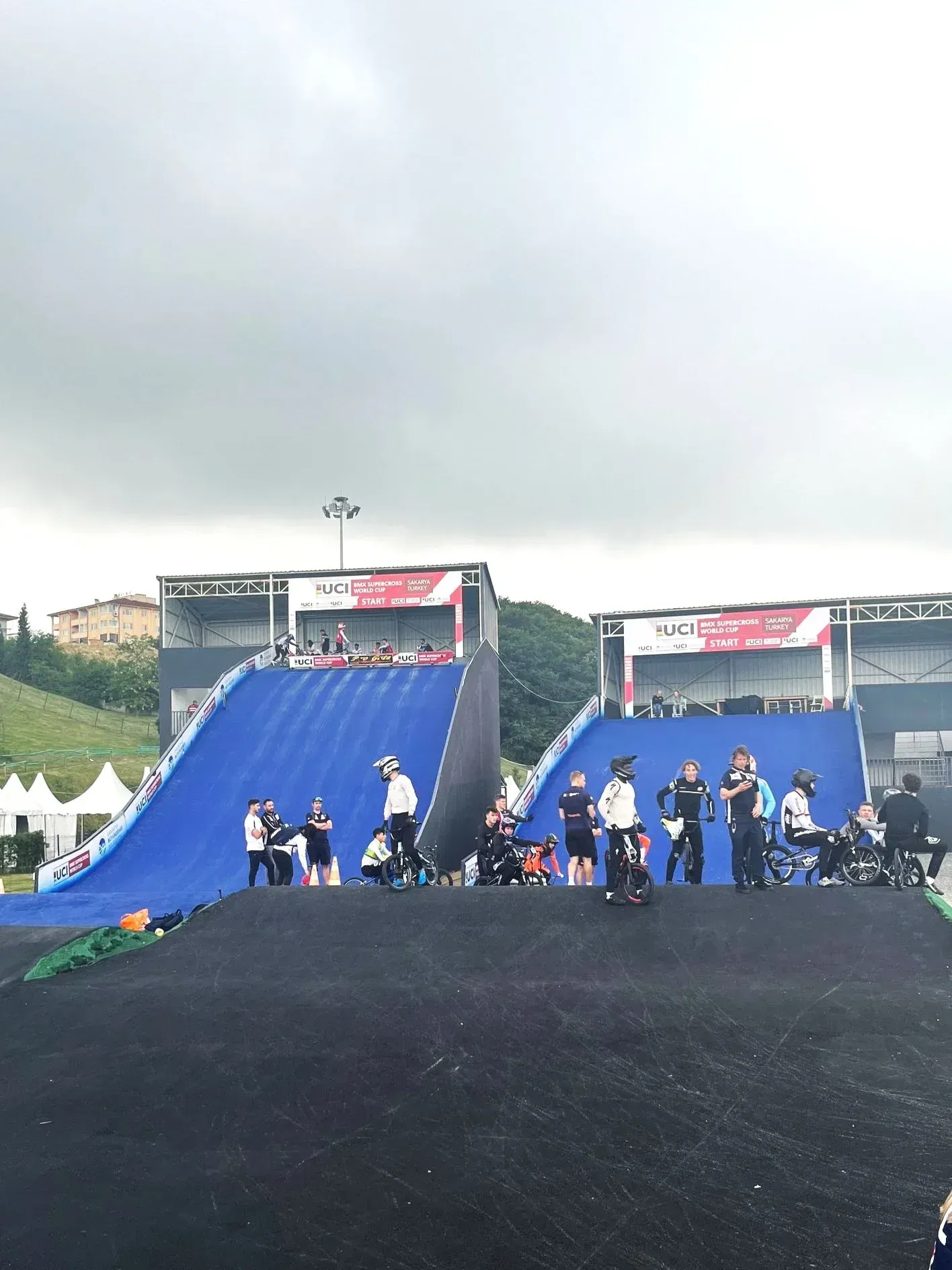
If you had told me at the start of the year that I would be travelling to Turkey to assist with the Australian BMX team or working with an AFLW team, I would have looked at you like you were nuts. How would I manage that with my own clinic to run, plus a young family to care for? How could I possibly fit anymore into my already very full schedule? But here we are at the end of 2023 and all these things did happen, plus so much more! I started this year working with the Australian Tennis Association providing coverage for the Junior tours coming through Adelaide, as well as, managing the Sturt SANFLW team for my second season with them. I was then lucky enough to be taken to Turkey with the Australian BMX team for a week to be their onsite physio whilst the team competed in one of the World Cup series. Coming back to Adelaide meant jumping straight into the pre-season for the Port FC AFLW team. In between these bigger events I have been working with various athletes throughout the year to rehab them back to their full strength. Working as a sports physio often sounds so glamorous. You are let into a world that precious few people get to see behind the scenes, you work with highly motivated people who are some of the best at what they do, from athletes to coaches to technicians to other medical professionals and you have access to a larger pool of resources. However, the non glamorous parts are the very long hours, the waiting around doing not much at times, the time away from home, often being thrown into situations that you definitely don’t expect and being not only physio but nurse, mum, team manager and general lackey. But you do it because you love it! I love being in that fast paced environment where you often need to make quick decisions and decide what the best treatment is to enable an athlete to continue competing. I love working with the people who are highly motivated and are the best at what they do, I feel like I learn so much every time I am welcomed on to a new team or work with a different sport. I love hearing everyone’s stories and how they ended up where they are now. But most of all I love challenging myself and continuing to get better at what I love to do. Each team and each sport I work with, I bring something away to implement within my own practice at home. To make sure that I provide the best possible care to each and every individual, not only those at the highest level.
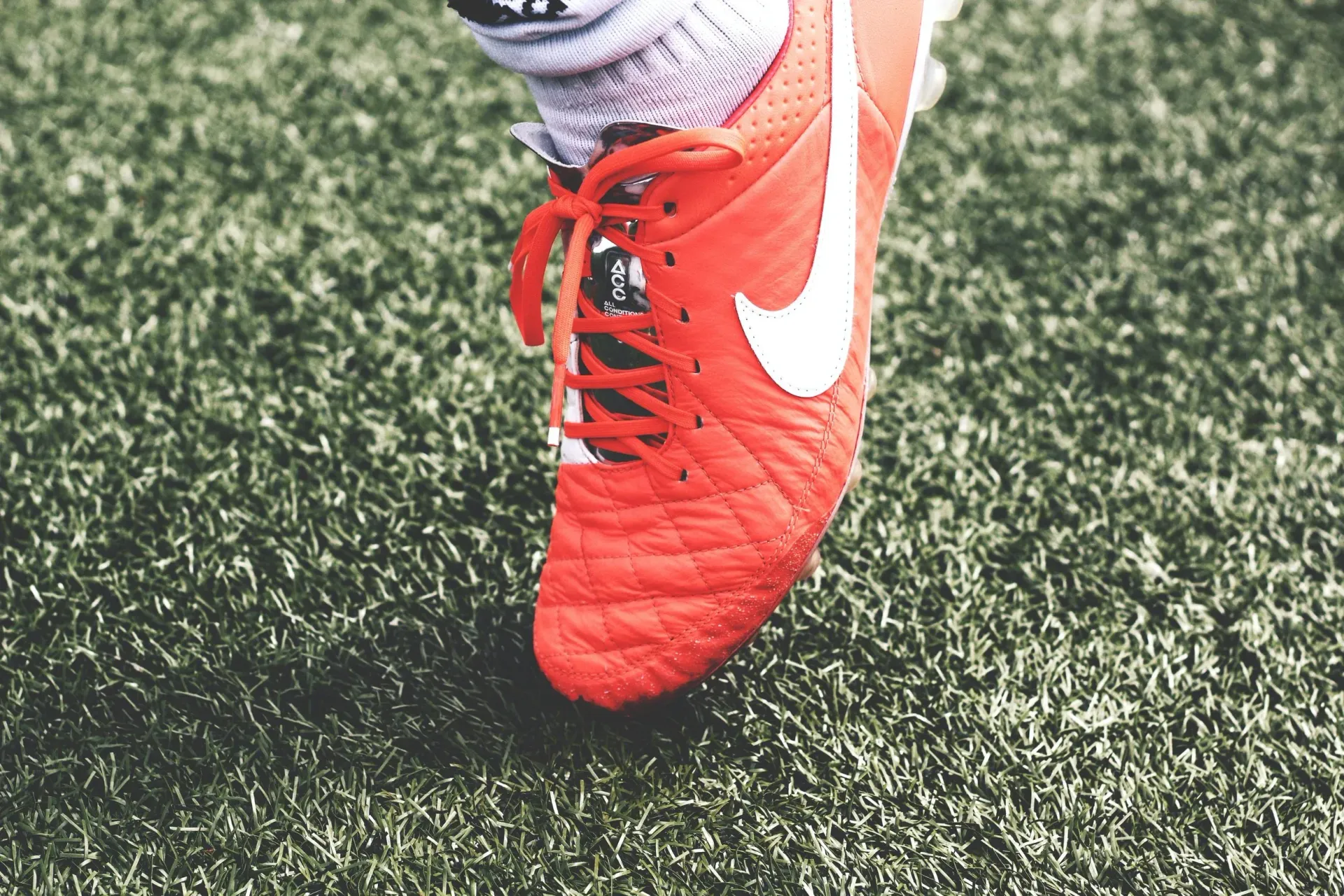
Low back pain is one of the most common injuries in Australian Rules Football (in both men and women) and can impact performance as well as your ability to see out a game or training (Mendis et al. 2019). A recent study looking at AFL players with lower back pain found that the presence of LBP is likely due to decreased trunk control and found a relationship between this and an increased rate of lower limb injuries. So the question is - what can you do to minimise the likelihood of experiencing lower back pain and maximise playing time? It all starts in pre-season. Make sure in the off season you are putting in the work to build muscle and trunk control. Exercises like a Paloff Press are easy enough to add into a program and works to improve stabilisation and balance – both are important when kicking, catching, and in your ability to take a tackle. Another favourite of ours at The Athlete Lab is the single leg sit to stand. This is a fantastic exercise for improving stability. Use a mirror to make sure you are staying tall and controlled the whole way through the exercise. When is it time to see a physio about your back? We understand back pain can be scary – but it doesn’t have to be. It’s always a great idea to touch base with your physio about the cause of your low back pain, and what you can do. The team at The Athlete Lab is well placed to work with you to develop a program and course of treatment to keep you playing all season long.

How are those New Year’s Resolutions going? I, like many of you probably, made a goal to start running this year. It has not been super successful so far, with only four runs completed in January, when those resolutions were fresh on my mind and holidays were in full swing. With February already here, that goal is looking a bit drab. Running is pretty daunting as an activity. It’s hard. Like really, really hard. It’s hard to figure out pacing, how far you should go, how long you should go, what shoes should you wear, will I get injured? It’s easy to say nope, running isn’t for me. The sports that I enjoy doing involve being part of a team. In a surf boat, I have a team that relies on me to pull my weight and at the gym there’s a group working together. But in running, there is just you. I want to change all that. I want to bring the parts of the sports I like best to running. I want a community . I know there are other clubs out there already, but with us being brand spanking new, it means that you get to be part of that story is building the foundations of this little group. So let’s build this together. Let’s learn together. Let’s run together. The Athlete Lab Run Club. Tuesday’s at 7am and Thursday’s at 5.15pm
Why did you open in the Unley area? I chose to open in Unley because it is close to the city, allowing workers to pop in for a lunchtime appointment or on their way home but also catering for the local community. I love the proximity to Unley Oval and the parklands. What makes your practice stand-out from others? Our philosophy is to recognise that every client has a unique story and their own goals and motivations. We think a more specifically tailored treatment program can better help to relieve pain, but also assist our clients to persevere with their rehabilitation. We are also fortunate to have great facilities with an onsite gym and beautiful spacious treatment rooms. How do you see the future demand for your services and what is the hope for your business? I feel there has been a shift in recent times with people better prioritising their health and fitness, and the quality of life that comes along with it. I have certainly seen an increase in clients participating in marathons or trail running or even taking up a team sport for the first time in years. With this growth also comes the understanding that you need to care for your body and make sure you are doing the right things to prevent injury or the right type of rehabilitation following injury. To me this means that physiotherapy will continue to be in demand, particularly in the rehabilitation field.
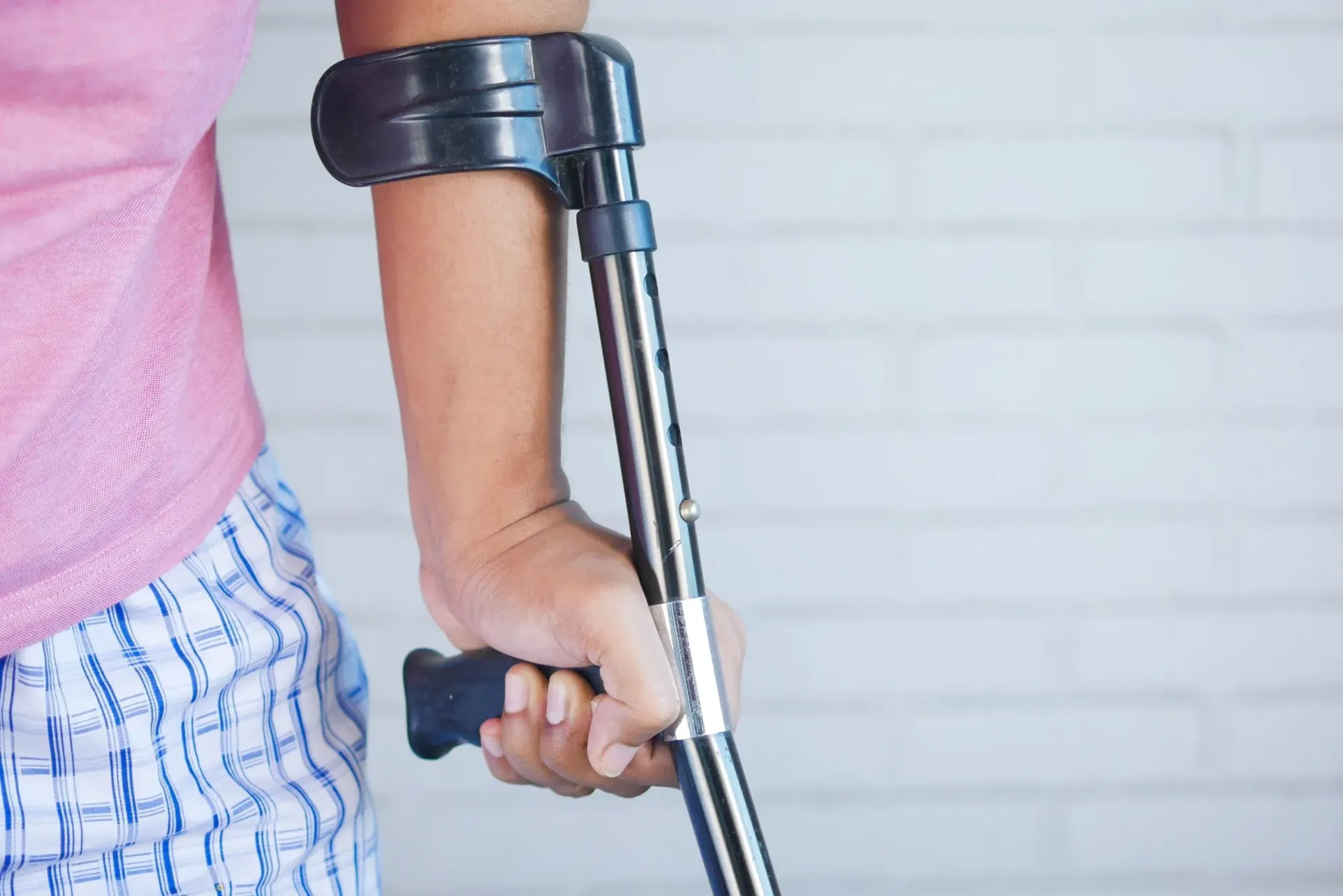
Rest from painful exercise or a movement is essential in the early injury stage. We call this active rest. "No pain. No gain." does not apply in most cases. The rule of thumb is - don't do anything that reproduces your pain for the initial two or three days. After that, you need to get it moving or other problems may start to develop. If you are unsure what to do, please contact one of our onsite Physiotherapist’s for injury-specific advice.
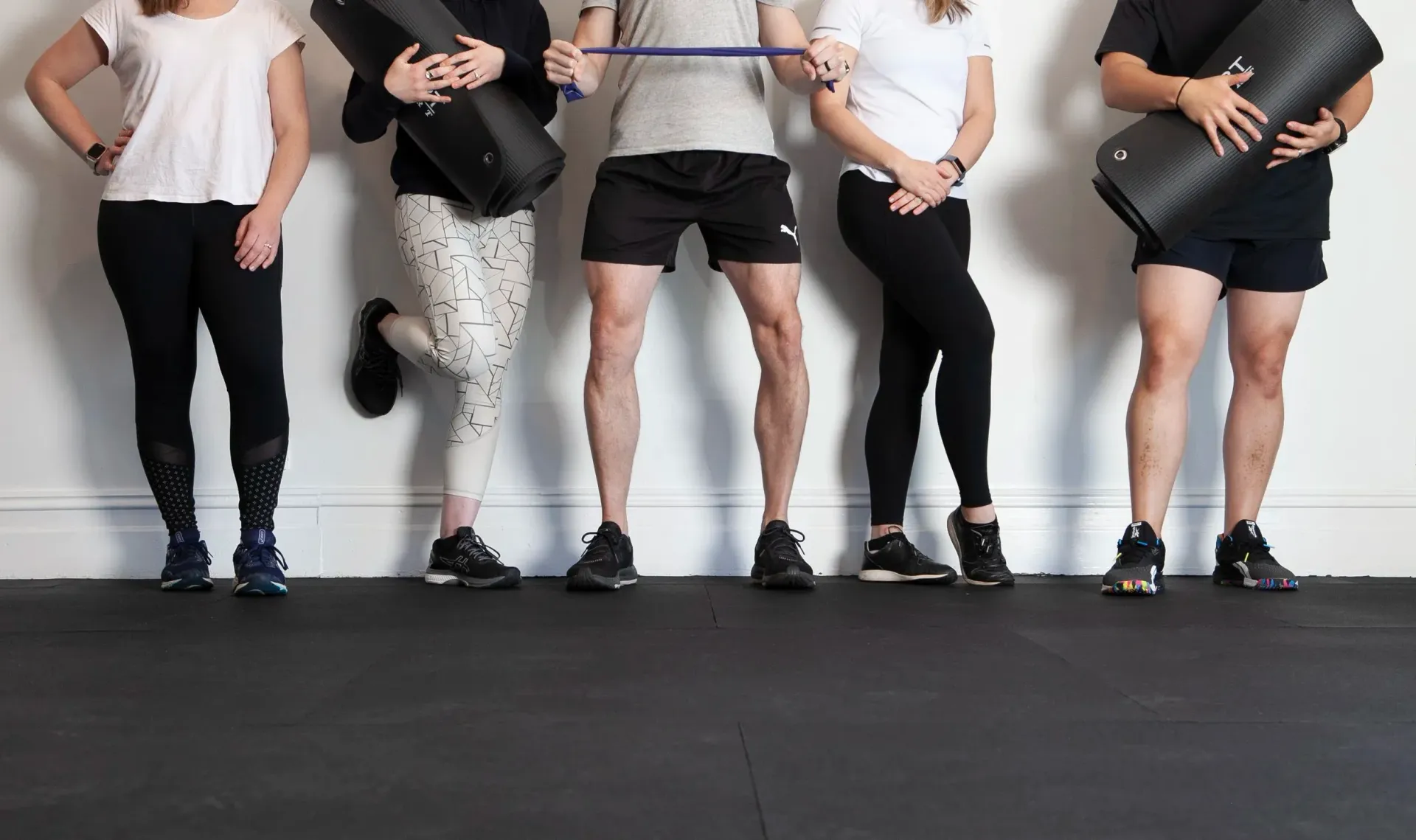
It isn’t just the older generation who suffer with stiff, sore, or weak knees, at any age. 1 in 9 Australians will experience knee pain in their lifetime. This blog takes you through some ideas to help keep your knees in good working order. This one should be fairly obvious but is a common mistake … wear the right footwear! Yes, your knees need the right support just as a mountain bike needs the right suspension. If you are a jogger, runner, or hiking enthusiast, it is important that you have the right type of support to help protect your knees. Stretch it and move it! If you have a problem knee, then taking up a regular stretching routine, will help stimulate blood flow to these areas and help maintain flexibility and a full range of movement. Warming down after a long jog/run/cycle/swim will also help reduce swelling and discomfort in this area. Work on your butt! Yes, you have your derriere for a reason, and it’s not just to sit on! Having strong gluteal muscles supports external rotations of the hips, stabilises via the IT band and helps control deceleration when reacting to the force of the ground (e.g. jumping, lunging, jogging etc.) These are all important when reducing the chances of damaging your knees with meniscal tears, ACL tears and/or patellofemoral pain. Many of us have a slight asymmetry in our hip alignment. Perhaps we just have wider hips than others, or some people have an anterior pelvic tilt, whilst others have a pelvic drop. This usually means either the left or our right hip tilts higher than the other which is actually more common than you might think! For people who live with these complaints, no matter how minor, it can help to activate the problem side with single leg and balance focused exercises as well as working on strengthening the glutes… Please refer to point 3! Pick and choose your exercises. Favouring your knees by avoiding high impact exercises such as jogging might be necessary for you, depending on the strength and condition of your knees, however that doesn’t mean you have to neglect your legs altogether! Exercises such as swimming and cycling provide an excellent way of activating and exercising the knee joints without placing too much pressure on them. At The Athlete Lab Physio Clinic we work with you to help incorporate these suggestions into a comprehensive plan to ensure that you keep leading the active life you love!