
Telehealth Physiotherapy: Convenient, Expert Care from Home

Understanding Knee Osteoarthritis

What is a Forceplate?
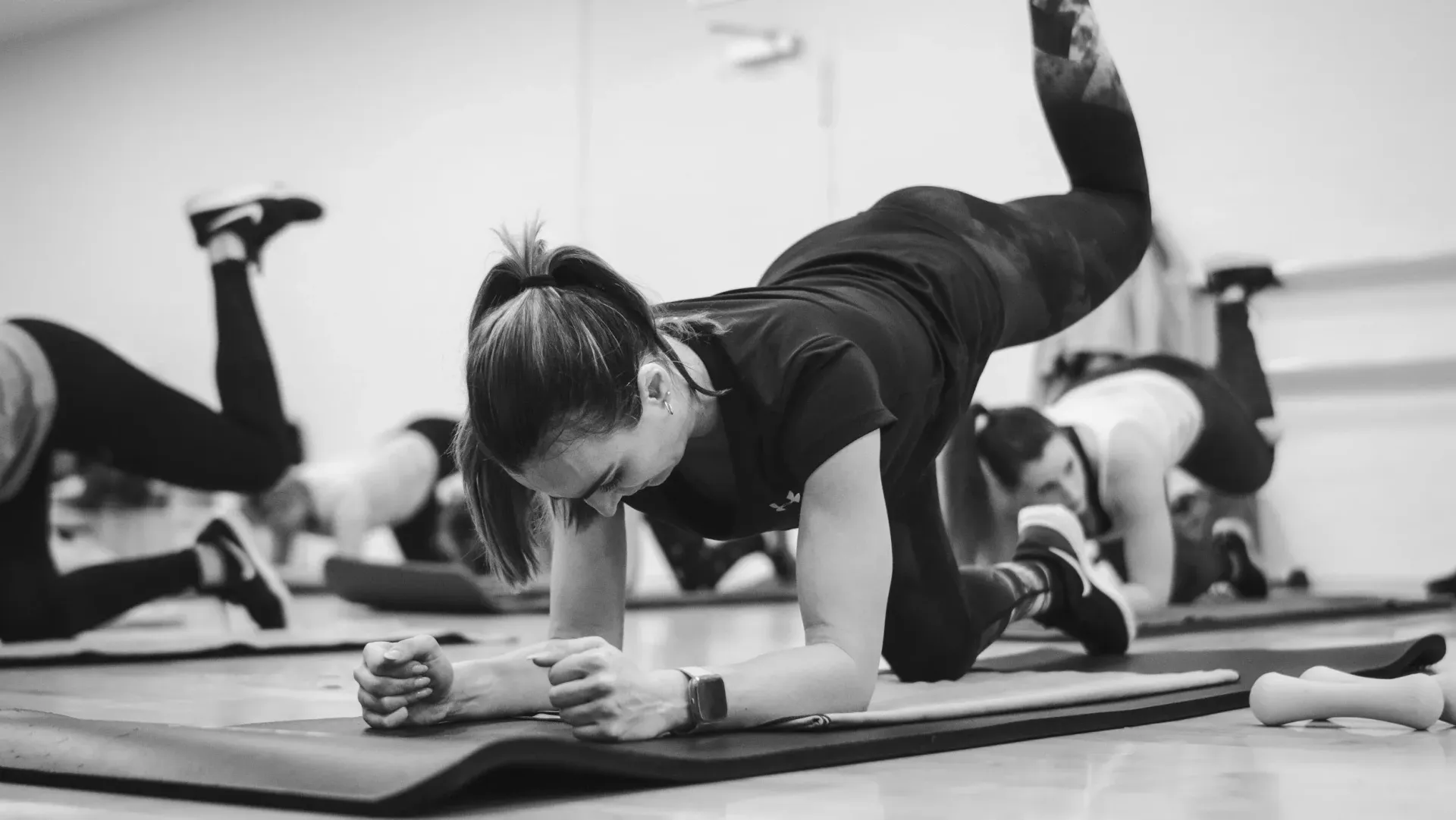
What Is Mat Pilates?

Many people spend hours sitting at a desk, which can lead to discomfort and long-term issues such as back pain, neck strain, and poor circulation. An ergonomic workspace setup ensures that your body is supported correctly to minimize strain. Key factors include adjusting your chair height, keeping your screen at eye level, and using a supportive chair that promotes proper spinal alignment. Frequent breaks are also essential for preventing stiffness and fatigue. Every 30–60 minutes, take a moment to stand, stretch, and move around. Simple desk exercises like shoulder rolls, neck stretches, and seated spinal twists can make a significant difference. Investing in ergonomic tools like a standing desk or wrist support can further enhance comfort and reduce the risk of repetitive strain injuries. Beyond workstation setup, movement throughout the day is crucial. Prolonged sitting reduces circulation and weakens muscles over time. Consider walking meetings, stretching while on phone calls, or using a stability ball for short periods to engage core muscles. Small daily habits can make a big impact on long-term spinal health.

Stress and mental health play a significant role in physical well-being. When you're stressed, your body releases hormones like cortisol, which can lead to muscle tension, headaches, and increased sensitivity to pain. Chronic stress can also slow down healing, making it harder to recover from injuries. Mindfulness, deep breathing, and gentle movement such as yoga can help manage stress-related pain. Regular exercise releases endorphins, which improve mood and reduce pain perception. By addressing both physical and mental health, you can break the cycle of stress-related discomfort and improve overall wellness. Another key factor in reducing stress-related pain is proper breathing technique. Many people hold tension in their shoulders and chest, leading to shallow breathing. Practicing diaphragmatic breathing—breathing deeply into the belly—can help relax muscles and reduce overall tension in the body.
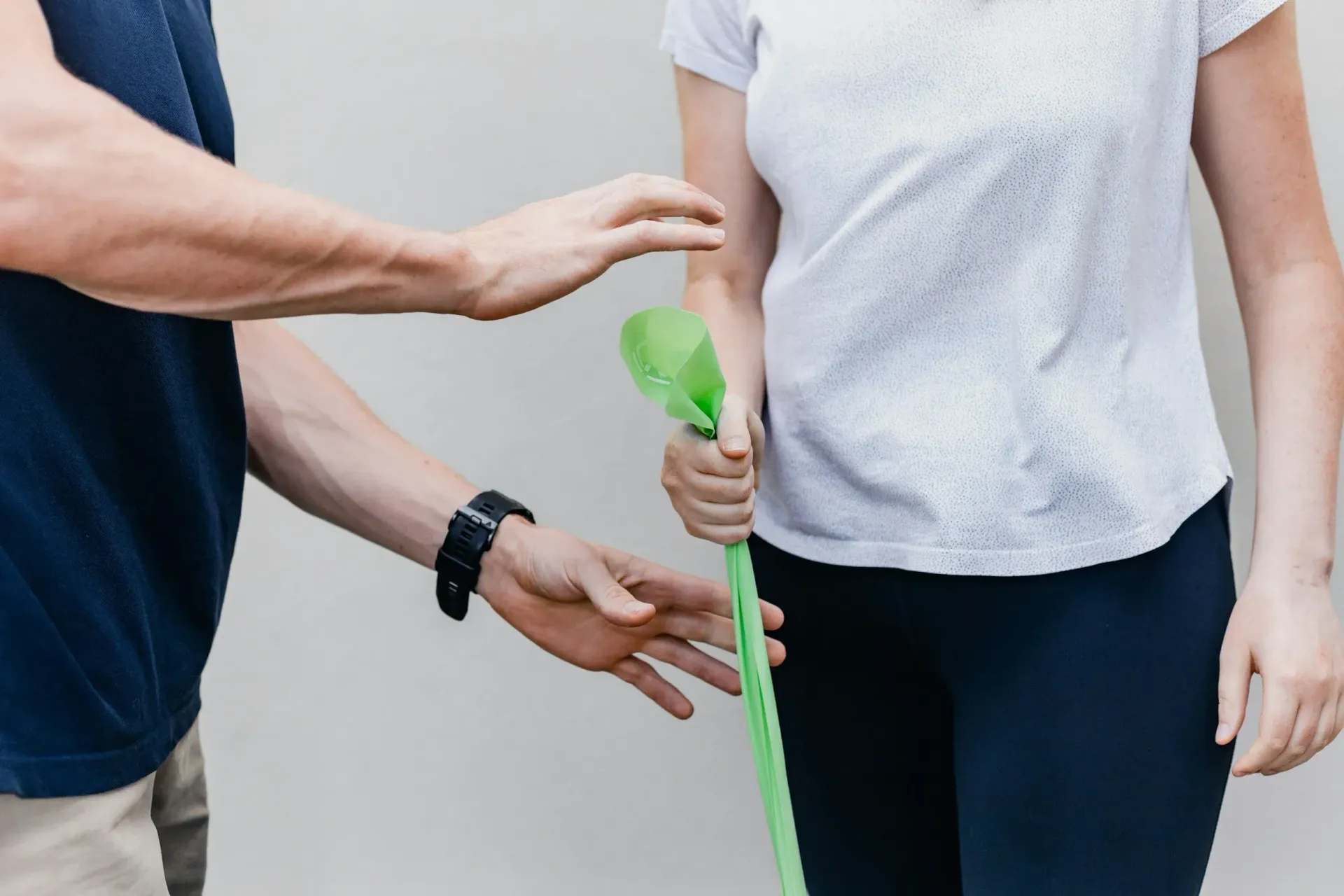
A frozen shoulder, or adhesive capsulitis, can be incredibly frustrating. It causes stiffness, pain, and a limited range of motion in your shoulder, making even simple tasks like reaching or lifting painful. The good news? Physiotherapy can make a huge difference in helping you recover and get your shoulder back to normal. In this post, we’ll look at how physiotherapy can help with frozen shoulder, the techniques used, and why it's such an important part of recovery. What Exactly is Frozen Shoulder? Frozen shoulder happens when the capsule around your shoulder joint thickens and tightens up. This makes the shoulder stiff and painful, severely limiting how much you can move it. The condition typically goes through three stages: **Freezing Stage** : Pain increases, and your range of motion starts to shrink. **Frozen Stage**: The pain might ease up, but stiffness takes over, making movement even harder. **Thawing Stage** : Gradual recovery starts, and your shoulder starts to loosen up. Frozen shoulder can be triggered by things like an injury, surgery, or even conditions like diabetes. But the good news is that physiotherapy can help you recover, no matter where you are in the process. How Physiotherapy Helps with a Frozen Shoulder Physiotherapists focus on easing pain, improving movement, and helping you get back to doing the things you love. Here's how they do it: 1. Managing Pain Pain can be one of the most challenging parts of frozen shoulder, especially in the early stages. Physiotherapists use different techniques to help ease that pain: Manual Therapy: This includes hands-on techniques like gentle joint mobilizations, which can reduce stiffness and help with pain relief. Heat and Cold Therapy: Using hot packs or cold compresses can help with inflammation and provide some much-needed pain relief. TENS Therapy: This involves using a small device that sends electrical pulses to the skin, helping block pain signals and promote natural pain relief. 2. Restoring Movement The loss of shoulder movement is one of the most frustrating parts of frozen shoulder. Physiotherapists use targeted techniques to improve your range of motion: Stretching and Joint Mobilization: Physiotherapists will guide you through stretches and mobilizations to gently improve flexibility and start restoring movement. Gentle Joint Manipulation: In more advanced cases, physiotherapists might use more specific techniques to loosen the shoulder joint and encourage better movement. With regular therapy, you’ll notice gradual improvements in the ability to move your shoulder and get back to normal activities. 3. Strengthening the Shoulder Once the pain starts to ease and your shoulder is moving better, physiotherapy will shift to strengthening the muscles around the shoulder joint. This is important for both recovery and preventing the shoulder from getting stiff again. Physiotherapists might use: Rotator Cuff Strengthening: The rotator cuff muscles are key to shoulder stability. Physiotherapists will work with you on exercises to strengthen these muscles, which can include resistance bands or light weights. Scapular (Shoulder Blade) Exercises Strengthening the muscles around your shoulder blade helps stabilize the shoulder joint and can prevent future issues. 4. Education and Prevention A big part of physiotherapy is teaching you how to care for your shoulder moving forward. Physiotherapists will give you advice on things like posture, body mechanics, and how to avoid movements that could make your shoulder worse. They may also give you a set of exercises to do at home to keep your shoulder strong and mobile long after therapy ends. Why Physiotherapy is So Effective for Frozen Shoulder Non-invasive: Physiotherapy is a natural treatment that doesn’t require surgery or injections, making it a great option for many people. Helps Prevent Long-term Issues: Addressing pain and stiffness early on can help prevent permanent loss of mobility, so you can avoid the long-term effects of a frozen shoulder. Faster Recovery: With physiotherapy, recovery tends to be quicker because it targets the root cause of the stiffness and pain. Personalized Plans: Physiotherapists create treatment plans tailored to your specific needs, goals, and the severity of your condition. When Should You Start Physiotherapy? The earlier you seek physiotherapy, the better. If you notice shoulder pain or limited movement, it’s a good idea to consult a physiotherapist as soon as possible. Early treatment can help ease pain, prevent stiffness from worsening, and speed up your recovery. Frozen shoulder can be a painful and frustrating condition, but physiotherapy is one of the best ways to recover. Whether it's through pain management, improving movement, strengthening muscles, or teaching you how to prevent further issues, physiotherapists play a huge role in helping you get back to your regular activities. If you’re dealing with frozen shoulder, don’t wait to seek treatment — start physiotherapy and get on the road to recovery today!

Understanding Cupping Therapy

A common question we get asked as physios is whether joints making popping, cracking or crunching noises is a normal thing? It can be a bit unnerving, but before you start worrying about your joints, Paris dives into what's really going on. First things first – those noises your joints make? It's called crepitus, and it's often nothing to worry about. You might hear it when you climb stairs, lift your arms above your head or just move around. Lots of people experience crepitus, and it's usually harmless. What's Making the Sound? So why exactly are your joints making these noises? One reason is that there are tiny gas bubbles in the fluid inside your joints. When you move, these bubbles can collapse, making a popping sound. It's kind of like when you open a can of soda – those little bubbles make a fizzing noise. However, sometimes the noise can indicate other things like tendons or ligaments moving over bony structures, which can create a snapping or popping sensation. Crack, Clunk, Grate: Deciphering the Sounds For some joints, such as knees, not all noises are the same. Sometimes it's a crack, sometimes it's more of a clunk, and sometimes it's a fine grating sound. But here's the thing – most of the time, these sounds aren't a sign that something's wrong. They're the result of complex interactions between joint structures during movement. However, if you experience accompanying symptoms like pain, swelling, or stiffness, it's a good idea to seek medical advice to rule out any potential issues. Age and Noise You might have heard that these noises are a sign of aging joints, and for some people, that's true. As we get older, our joints can undergo changes that lead to increased crepitus. However, not everyone experiences this, and some individuals may have relatively quiet joints throughout their lives. So, if your knees are crackling a bit, it might mean they're maintaining their flexibility, or it could simply be a natural part of the aging process. Either way, it's usually nothing to worry about! When to Get Checked Out Of course, there are times when noises could be a sign of something more serious. If you remember a specific mechanism of injury or are experiencing pain, swelling, or stiffness in the joint, it's a good idea to get it checked out by a physiotherapist or doctor. These symptoms could indicate a more serious issue that requires attention. However, if it's just the noise without any accompanying discomfort, chances are everything's okay. So, the next time one of your joints make a weird noise, don't panic. It's probably just your joints being their usual noisy selves. And remember, if you ever have any concerns, it's always a good idea to get them checked out. But for now, embrace the crackles and pops – they're just a part of what makes your body unique!

Plantar fasciitis - it's that sharp discomfort in your heel or along the sole of your foot that greets you every morning when you take those first few steps out of bed. Whether you're a dedicated runner, a busy parent on your feet all day, or simply someone who enjoys long walks, plantar fasciitis can put a damper on your daily activities. Understanding this condition and knowing how to manage it effectively can make all the difference. What Exactly is Plantar Fasciitis? There's a thick band of tissue running along the bottom of your foot that connects the bone of your heel to your toes. That's your plantar fascia. Its job is to support your foot arch and absorb forces when you walk, run, or jump. But when you overdo it – too much running, standing, or wearing unsupportive shoes – that band of tissue can become inflamed and irritated, resulting in plantar fasciitis. Why Does It Happen? It can happen to anyone, but certain factors can increase your risk, such as overuse or repetitive strain (hello, weekend warriors!), foot biomechanical issues like flat feet or high arches, and poor footwear choices. Recognising the Symptoms So, how do you know if you're dealing with plantar fasciitis? That stabbing pain in your heel or sole, especially first thing in the morning or after long periods of rest, is a tell-tale sign. You might also notice stiffness, swelling, or tenderness in the affected area. Recognising the symptoms early can help you get started on the path to recovery sooner rather than later. Managing the Pain: What You Can Do The good news? There are plenty of ways to manage plantar fasciitis and ease that pesky pain, and physiotherapy has a lot to offer in this realm. Here are some strategies to consider: Stretching Exercises : Gentle stretches targeting your calf muscles, Achilles tendon, and plantar fascia can help improve flexibility and reduce tension in the foot. Here at The Athlete Lab, we can design a personalised stretching program tailored to your specific needs and goals. Manual Therapy Techniques : Hands-on techniques, including massage, joint mobilisations, and myofascial release, can help reduce pain and improve foot and ankle mobility. We can provide guidance and hands-on treatment to address tightness and restrictions in the affected areas. Strengthening Exercises : Building strength in the muscles of the foot, ankle, and lower leg can assist in improving stability and support, which can reduce strain on the plantar fascia. Book in with one of our physios for specific exercises to target weak muscles and improve overall foot function. Gait Analysis and Biomechanical Assessment : A thorough assessment of your walking and running gait can help to identify any biomechanical issues or abnormalities that may contribute to plantar fasciitis. From there, modifications can be made to your movement patterns and footwear to reduce stress on the plantar fascia. Orthotic Prescription : Custom orthotic inserts can provide additional support and alignment to the foot, minimising strain on the plantar fascia and encouraging proper foot mechanics. A podiatrist can also assist in education on proper footwear as well. Activity Modification : We can assess your current activity/training load and techniques and provide activity modification strategies to prevent the recurrence of plantar fasciitis. By making informed choices and taking proactive steps to protect your feet, you can minimize the risk of future injury. Plantar fasciitis might be a pain, but with a physiotherapist's expert guidance and support, you can manage your symptoms effectively and get back to doing the things you love. From targeted stretching exercises to hands-on manual therapy techniques, physiotherapy offers a comprehensive approach to treating plantar fasciitis and restoring optimal foot function.